Torch Down Roofing Guide for Lasting Protection

Torch Down Roofing Guide for Lasting Protection

A low-slope roof can look simple from the ground, but it has one demanding job: keep water out despite standing moisture, intense sun, wind, and sharp temperature swings. This torch down roofing guide explains why modified bitumen remains a trusted choice for many commercial properties and residential flat-roof sections across Nevada and Northern California – and why qualified installation matters as much as the material itself.

What Is Torch Down Roofing?

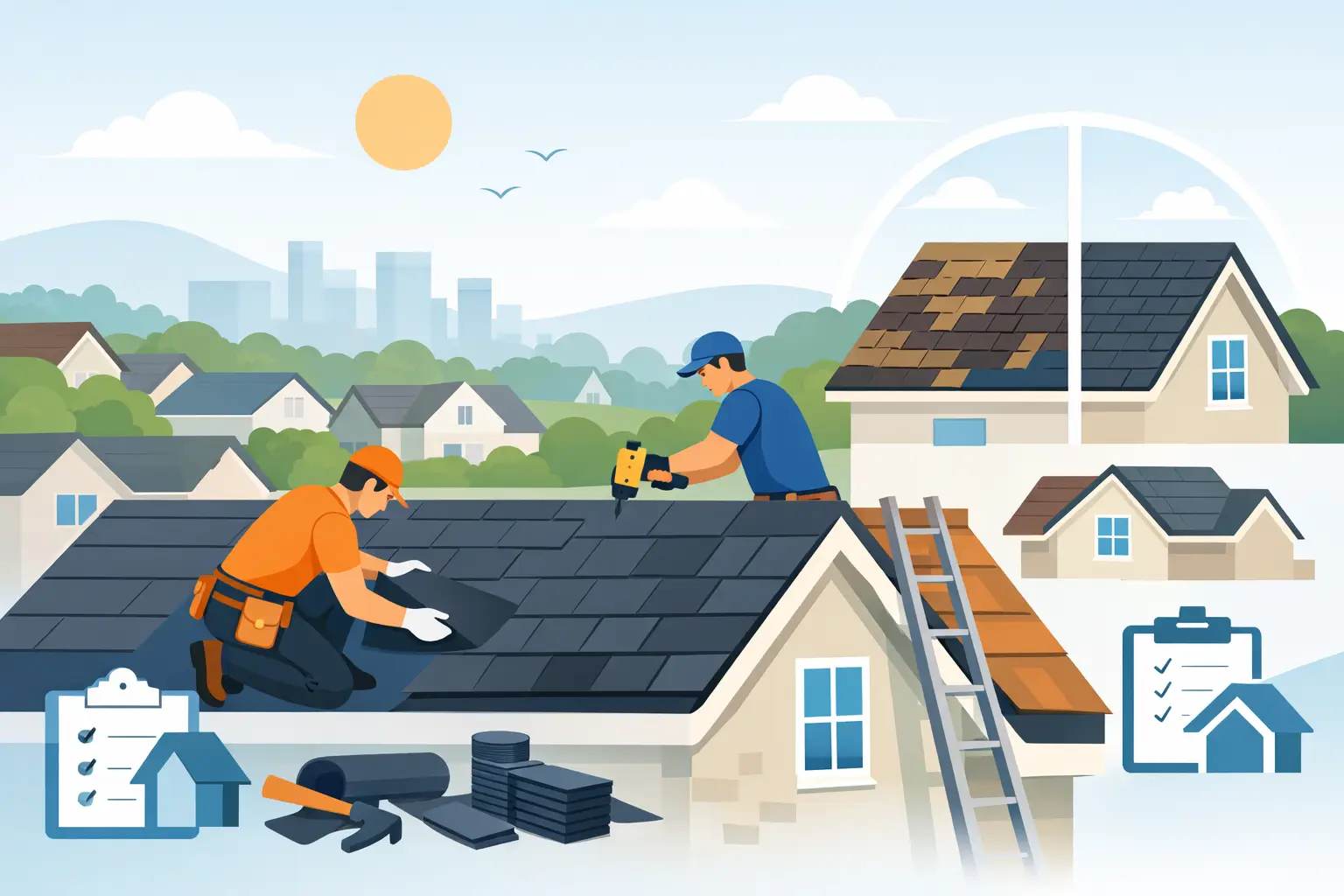
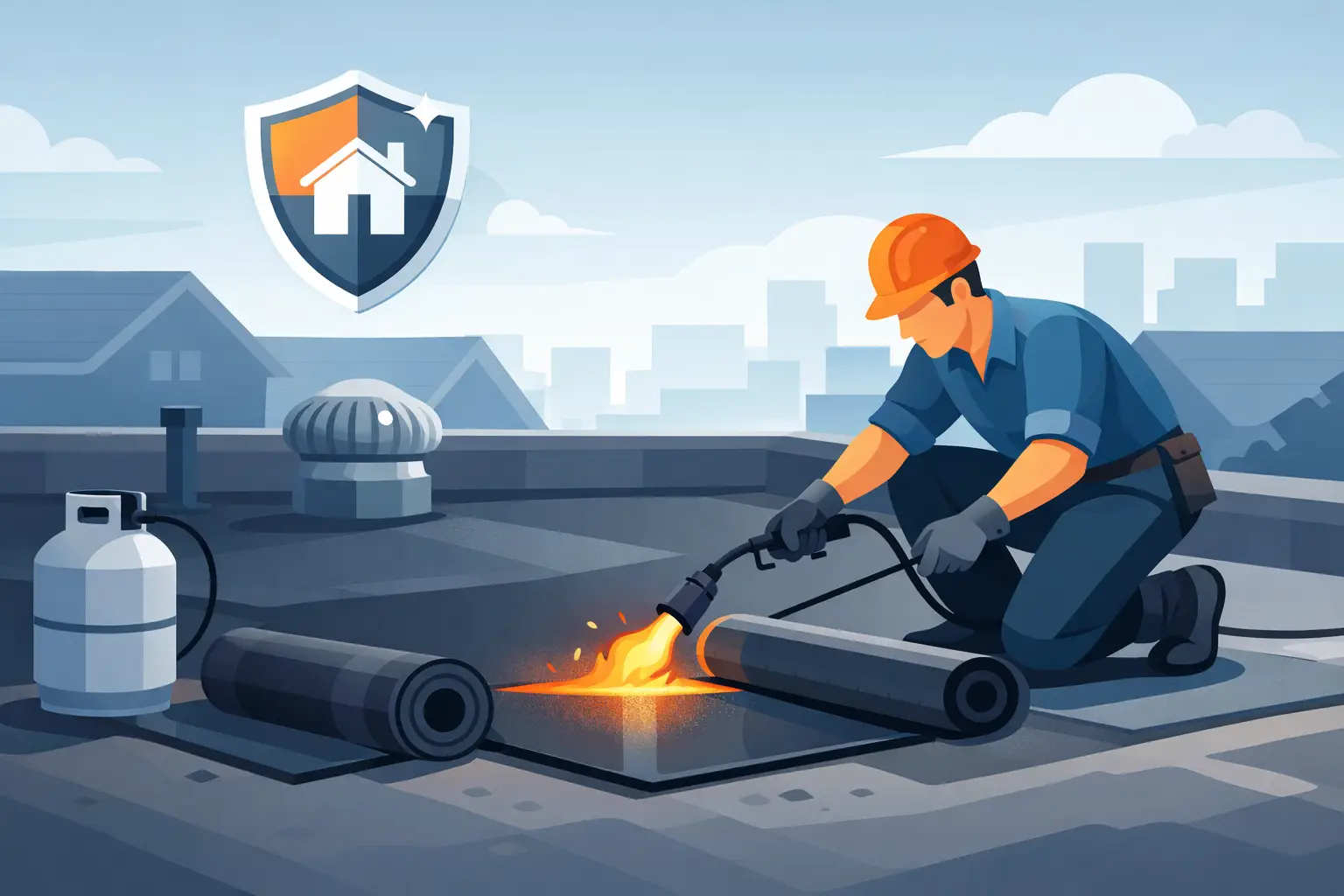
Torch down roofing is a modified bitumen membrane system designed for low-slope and flat roofs. The membrane is manufactured in rolls and applied in overlapping layers. During installation, a trained roofing crew uses a propane torch to heat the underside of the membrane, bonding it directly to the prepared roof surface or an underlying base sheet.

The heat creates a strong, continuous bond at the seams, which are often the most vulnerable areas on low-slope roofs. Once properly installed, the finished roof forms a durable waterproof barrier that resists rain, wind, and daily exposure.

Modified bitumen is asphalt-based, but it is reinforced and improved with polymers for greater flexibility and strength. Two common formulations are APP and SBS. APP membranes are typically installed with a torch and perform well under UV exposure. SBS membranes are more rubber-like and flexible, which can be valuable where a roof experiences movement or colder conditions. The right system depends on the building, roof design, local climate, and budget.

Why Property Owners Choose Torch Down Roofing

Torch down roofing has earned its place because it solves practical problems on low-slope roof areas. It is commonly used on commercial buildings, multifamily properties, garages, patio covers, additions, and residential roof sections that do not have enough pitch for conventional shingles.

A properly specified system offers strong waterproofing because its seams are heat-welded rather than simply adhered. It also stands up well to foot traffic when maintenance crews need rooftop access for HVAC equipment, drains, solar components, or other building systems. That durability can be especially useful for commercial properties where access and service activity are routine.

UV resistance is another important advantage in high-sun areas. A granulated cap sheet can shield the membrane from sunlight and physical wear. Reflective cap-sheet options may also help reduce surface temperatures and support better energy performance. However, reflectivity varies by product and color, so it should be evaluated as part of the full roofing specification rather than assumed.

Torch down systems are also repairable. A skilled roofer can often address localized damage, worn flashings, or small seam concerns without replacing the full roof. That does not mean every aging roof is a repair candidate. If moisture has spread beneath the membrane or the roof has reached the end of its service life, replacement may provide the better long-term value.

Where Torch Down Roofing Works Best

Torch down roofing performs best on low-slope applications with positive drainage and a sound roof assembly beneath it. The roof does not have to be perfectly flat, but it must be designed to move water toward drains, scuppers, or gutters. No roofing material benefits from water sitting in the same area for extended periods.

For a small residential addition or detached garage, a modified bitumen roof can provide reliable weather protection with a clean, low-profile appearance. On commercial buildings, it can be a practical option for select roof areas, especially when durability, repairability, and a proven installation method are priorities.

Still, it is not automatically the best answer for every low-slope roof. Single-ply systems such as TPO or PVC may be better suited to large commercial roofs where highly reflective surfaces, broad sheet widths, or particular chemical-resistance needs are part of the decision. Roof coatings can be cost-effective when an existing roof is still structurally sound and qualifies for restoration. A professional inspection should identify whether repair, restoration, or replacement will deliver the strongest lifecycle value.

A Torch Down Roofing Guide to Installation Quality

The term “torch down” can make the process sound straightforward. It is not a do-it-yourself project. Open-flame application near roof decking, walls, vents, and flashing details requires trained installers, proper fire-safety procedures, and close post-work inspection.

A durable installation begins with substrate preparation. The deck or existing approved roof surface must be clean, dry, stable, and properly sloped. Rotten decking, loose materials, trapped moisture, and poor drainage must be corrected before new membrane is installed. Covering these problems only hides them temporarily.

The roofing crew then installs the appropriate base layer, insulation, or separation components required by the system design. Membrane rolls are carefully aligned, heated, and overlapped to create fully bonded seams. Flashings at walls, curbs, pipes, drains, and roof edges receive special attention because these transitions are common leak locations.

After application, experienced crews inspect seam bleed-out, edge details, penetrations, and the entire work area. Fire watches are a critical part of responsible torch-applied roofing. The crew checks for signs of smoldering after work is complete, particularly around concealed wood components and wall transitions.

The workmanship behind these details directly affects roof life. A lower initial price is not a savings if it comes from skipped preparation, inadequate flashing, or an installer who treats the roof as a simple roll-and-torch job.

Maintenance That Protects the Investment

Even a well-installed torch down roof needs routine attention. Maintenance is how property owners catch small issues before insulation, decking, interiors, or inventory are affected.

Schedule inspections at least twice a year, as well as after severe wind, heavy snow, hail, or major storms. On commercial buildings, roof inspections should also follow work by other trades. A technician servicing an HVAC unit can accidentally damage a membrane, loosen a flashing, or leave debris that blocks drainage.

During an inspection, look for cracked or lifted flashing, open seams, blisters, punctures, exposed reinforcement, granule loss, and ponding water that remains long after rainfall. Keep drains, scuppers, gutters, and downspouts clear. Branches, loose equipment, and stored materials should not sit directly on the membrane.

Avoid allowing untrained personnel to apply caulk or patch products as a permanent fix. Some materials do not adhere correctly to modified bitumen, and a poorly placed patch can direct water beneath the roof surface. Prompt professional repairs are usually more affordable than waiting for a stain on the ceiling.

Cost, Service Life, and the Factors That Change Both

Torch down roofing costs vary widely based on roof size, access, tear-off requirements, insulation needs, deck repairs, membrane thickness, flashing complexity, and local code requirements. A simple, open roof costs less to complete than a roof with numerous penetrations, parapet walls, rooftop equipment, and deteriorated substrate.

Service life also depends on the system selected and how the roof is maintained. Quality materials and proper installation can provide long-lasting performance, but severe sun exposure, standing water, neglected drains, and repeated foot traffic can shorten that lifespan. A maintenance plan helps protect the investment and gives property owners a documented record of the roof’s condition.

For facilities managers, the decision should focus on total cost of ownership, not installation cost alone. A roof that reduces leaks, avoids operational interruptions, and can be repaired effectively may deliver more value over time than a cheaper system with limited durability.

When to Call a Roofing Professional

Call for an inspection if you see active leaks, interior staining, bubbling membrane, loose edge metal, recurring ponding water, or damaged areas around rooftop equipment. The sooner these concerns are evaluated, the more options may be available. Early repair can prevent the moisture damage that turns a manageable roofing issue into a full replacement project.

Mountain Valley Roofing evaluates low-slope roofing systems with the region’s weather in mind, from harsh summer UV exposure to wind, snow, and freeze-thaw conditions. The goal is not to force one material onto every building, but to recommend a system that protects the property and supports its long-term budget.

A torch down roof is most reliable when it is treated as a complete system: sound deck, proper drainage, compatible materials, skilled flashing work, and regular maintenance. Give those details the attention they deserve, and the roof can provide dependable protection long after the installation crew leaves.


How to Choose a Roofing Contractor With Confidence

How to Choose a Roofing Contractor With Confidence

A roof leak after a windstorm, cracked shingles under intense sun, or ponding water on a commercial roof can make any contractor who answers the phone seem like the right choice. But knowing how to choose a roofing contractor before work begins can protect your property, budget, and peace of mind for years. The right company does more than install materials. It evaluates the full roofing system, recommends a solution that fits local conditions, and stands behind the work when weather puts that system to the test.

For property owners in Nevada and Northern California, that standard matters. Roofs in this region may face high UV exposure, strong winds, snow loads, freeze-thaw cycles, wildfire-related debris, and major temperature swings. A low bid that overlooks those demands can become an expensive repair cycle.

Start With Local Experience and Proper Credentials

A roofing contractor should be properly licensed for the work and location, insured, and established enough to provide a clear business address, phone number, and record of completed projects. Ask for proof of general liability insurance and workers’ compensation coverage. These are not formalities. If a worker is injured or surrounding property is damaged, inadequate coverage can create a serious risk for the owner.

Local experience is equally valuable. A contractor familiar with Northern Nevada, the Sierra region, and Northern California understands that a roof system must be selected for more than appearance. Material expansion, drainage, ventilation, snow retention, wind exposure, and UV resistance all affect long-term performance.

For example, a dark shingle may not be the best fit for every high-sun location, while a cool roof coating or reflective membrane may help reduce heat gain on the right commercial building. In mountain areas, snow management and ice prevention may be as important as the roofing material itself. Ask contractors how their recommendations account for your property’s climate, roof slope, drainage pattern, and exposure.

Ask for an Inspection, Not a Guess

A dependable roofing contractor should inspect the roof before recommending repair, restoration, or replacement. Be cautious when a company offers a firm price or declares that a full replacement is necessary without examining the roof surface, flashing, penetrations, drainage, and underlying structure.

For homes, the inspection should consider shingles or other surface materials, valleys, flashing around chimneys and vents, attic ventilation, decking condition, and signs of moisture intrusion. On commercial properties, the scope should also address seams, membrane condition, edge metal, drains, scuppers, rooftop equipment, ponding water, and insulation where applicable.

A thorough assessment can reveal options that a quick estimate misses. A roof with localized damage may need a targeted repair. An aging low-slope roof with a sound substrate may be a candidate for restoration or a coating system. A roof with widespread moisture damage, failed materials, or structural concerns may require replacement. The best answer depends on the roof’s actual condition, not on the contractor’s preferred service.

Compare Scope and Materials, Not Just Price

When you receive estimates, make sure you are comparing equivalent work. One proposal may include tear-off, disposal, replacement flashing, underlayment, ventilation improvements, permits, and cleanup. Another may appear less expensive because those items are excluded or described vaguely.

A useful proposal identifies the roofing system, material manufacturer or product type, approximate quantity, preparation work, repair allowances, installation details, warranty coverage, and payment terms. It should also explain what happens if the crew finds dry rot, damaged decking, wet insulation, or other concealed conditions after work starts.

Price matters, but a roofing project is not a commodity purchase. The lowest proposal can be the costliest if it uses an unsuitable material, skips critical details, or leaves you with unclear warranty protection. A slightly higher initial investment may deliver better waterproofing, energy efficiency, service life, and fewer disruptions over time.

For commercial owners and facility managers, consider lifecycle cost rather than installation cost alone. A restoration coating may extend the useful life of an existing roof and reduce cooling demand, but only when the roof is a good candidate and preparation is done correctly. A replacement may cost more upfront yet be the more responsible option when the existing system is saturated or failing across a large area.

How to Choose a Roofing Contractor by Their Questions

The contractor’s questions often tell you as much as their answers. A qualified professional will want to know the age of the roof, prior repairs, active leak locations, building use, occupancy schedule, access limitations, future ownership plans, and budget priorities.

For a commercial property, they should ask whether work must be phased to limit disruption, whether rooftop equipment needs protection, and whether odor, noise, or safety requirements affect the schedule. For a residence, they should ask about attic ventilation, skylights, solar equipment, gutters, landscaping, pets, and access concerns.

Be wary of a contractor who pushes one product for every building. Metal roofing, shingles, single-ply membranes, torch down systems, and coatings can all be effective, but they serve different roof designs, budgets, and performance goals. A sound recommendation explains why a specific system is appropriate for your property and what trade-offs it involves.

Review Workmanship and Warranty Protection

Manufacturers provide material warranties, but the roof’s performance also depends on installation. Poor flashing work, weak seam details, inadequate fasteners, improper drainage, or incomplete surface preparation can cause premature failure even when premium materials are used.

Ask who will perform the work. Will the contractor use trained in-house crews, long-standing installation teams, or subcontractors? Who supervises the project? Who is your point of contact if conditions change or questions arise? Clear responsibility is a sign of an organized contractor.

Then ask for the warranty in writing. Separate the manufacturer’s material warranty from the contractor’s workmanship warranty. Confirm the duration, what is covered, what maintenance may be required, and how service requests are handled. A warranty has practical value only when the contractor has the experience, responsiveness, and stability to honor it.

Check References and Recent Project Results

Online reviews can be useful, especially when they reveal patterns in communication, cleanup, scheduling, and follow-up. Still, direct references and recent project examples provide a stronger picture of a contractor’s work.

Ask for projects similar to yours. A homeowner replacing architectural shingles should seek examples of comparable residential work. A facility manager with a large low-slope roof should ask about similar membrane, coating, or restoration projects. If possible, ask references whether the contractor communicated clearly, kept the site safe and clean, handled changes fairly, and responded after the job was complete.

A good contractor should be comfortable discussing both straightforward jobs and difficult conditions they have solved. Complex rooflines, recurring leaks, storm damage, drainage issues, dry rot, and occupied commercial buildings all require planning beyond basic installation.

Watch for Warning Signs Before You Sign

Some problems are visible before the first shingle is removed. Step back if you encounter several of these warning signs:

  • A contractor demands a large upfront payment or insists you sign immediately.
  • The estimate is vague, incomplete, or lacks material and warranty details.
  • The company cannot verify licensing or insurance coverage.
  • The salesperson promises to cover your insurance deductible or makes guarantees about claim approval.
  • The recommendation is made without a proper roof inspection.
  • Communication is inconsistent, pressured, or difficult to document in writing.

Storm damage can create urgency, but urgency should not eliminate due diligence. If a roof needs immediate protection, temporary measures can limit damage while you take the time to select a qualified contractor for permanent repairs.

Choose a Partner for the Roof’s Full Service Life

The best roofing relationship does not end when the installation crew leaves. Regular inspections and maintenance can identify failed sealant, blocked drainage, loose flashing, surface damage, and small leaks before they spread into insulation, framing, ceilings, or inventory.

This is particularly important for commercial roofs, where deferred maintenance can turn a manageable repair into operational downtime and a large capital expense. Homeowners benefit as well, especially after severe wind, snow, or heat events. Ask whether the contractor offers inspection and maintenance services, and how they document roof condition over time.

Mountain Valley Roofing approaches every project with this long-term view: protect the building now, recommend the most cost-effective solution for its condition, and help prevent the next avoidable failure. Whether you are evaluating a repair, restoration, or full replacement, choose the contractor who gives you clear information, practical options, and confidence that your roof is built for the conditions ahead.

Commercial Roofing Systems Guide for Owners

Commercial Roofing Systems Guide for Owners

A commercial roof can look serviceable from the ground while water is working its way into insulation, decking, and occupied space. For facility managers and property owners, this commercial roofing systems guide focuses on the decisions that protect the building, control long-term costs, and avoid disruptive emergency repairs. The right system is not simply the one with the lowest installation price. It is the one that fits the roof’s condition, drainage, use, and exposure to the severe sun, wind, snow, and temperature swings common in Nevada and Northern California.

Start With the Building, Not the Material

Commercial roofing is rarely a one-size-fits-all purchase. Low-slope roofs must manage standing water, ultraviolet exposure, expansion and contraction, foot traffic, rooftop equipment, and penetrations for drains, vents, and HVAC units. A system that performs well on a small retail building may not be the best fit for a warehouse, medical office, apartment complex, or industrial facility.

Before selecting a material, a qualified roofing contractor should inspect the existing roof assembly. That includes the membrane or surface, insulation, flashings, seams, drains, edge metal, roof deck, and areas around mechanical equipment. The inspection should also identify whether moisture is trapped below the current roof surface. Installing a new layer over wet insulation can hide a problem temporarily, but it does not remove the risk of deterioration, leaks, and reduced energy performance.

The building’s use matters as much as its square footage. A roof with frequent service traffic needs a system that can handle wear around walk paths and equipment. A building with high cooling costs may benefit from a reflective cool roof surface. A property with aging drainage may need slope corrections or drain improvements before a new membrane can perform as intended.

Commercial Roofing Systems Guide: Main Options

The best commercial roofing system depends on conditions at the property. Each option has strengths, limitations, and maintenance needs.

Single-Ply Membrane Roofing

Single-ply systems are widely used on low-slope commercial roofs because they provide continuous waterproofing across large areas. Common membrane options include TPO, PVC, and EPDM. TPO and PVC are often selected for their light-colored, reflective surfaces, which can help reduce heat absorption and cooling demand in hot, sunny climates. EPDM is typically dark and known for its flexibility, although it may not provide the same reflective benefit without a coating or ballast approach.

Membrane roofing can be mechanically attached, fully adhered, or installed with ballast depending on the system and building requirements. Its performance depends heavily on seam work, flashing details, and secure attachment at the perimeter. Strong winds place extra stress on roof edges and corners, so installation quality is not an area to compromise.

Single-ply membranes are often a practical choice for offices, retail buildings, warehouses, and other properties with broad, low-slope roof areas. They are not maintenance-free. Seams, penetrations, drains, and areas near rooftop equipment should be inspected regularly.

Commercial Roof Coatings and Restoration

A roof coating can be a cost-effective restoration option when the existing roof remains structurally sound and dry. Coatings create a protective surface over a compatible roof system, helping address UV exposure, minor weathering, and energy efficiency concerns. Many coatings are highly reflective, making them especially useful for facilities exposed to intense summer heat.

Restoration is not a shortcut for a roof with widespread saturated insulation, major membrane failure, unstable decking, or poor drainage. A coating follows the shape of the roof beneath it. If water ponds because of drainage problems, those conditions must be evaluated and corrected where possible before restoration work begins.

When conditions are right, a coating system can extend roof life, reduce disposal from a tear-off, and limit disruption to building operations. It also requires proper surface preparation. Cleaning, repairs, seam treatment, primer selection, and correct coating thickness all affect the result. Mountain Valley Roofing evaluates restoration first when it offers a realistic long-term benefit, not simply because it costs less upfront.

Metal Roofing Systems

Metal roofing is a durable choice for many commercial and mixed-use properties, particularly where steep-slope architecture, snow shedding, wind resistance, and long service life are priorities. Standing seam metal systems provide a clean appearance with concealed fasteners, while exposed-fastener panels can be a more economical option for certain structures.

The trade-off is that metal roofs require careful detailing around penetrations, transitions, fasteners, and panel movement. Metal expands and contracts with temperature changes. If the system is improperly installed or neglected, loose fasteners, failed sealant, and flashing issues can become leak points. A well-designed metal system paired with regular maintenance can deliver reliable protection for decades.

Modified Bitumen and Torch Down Roofing

Modified bitumen systems use asphalt-based sheets that are installed in multiple layers. Torch down roofing is one application method, although other methods may be used based on project requirements and site safety. These systems are valued for toughness, redundancy, and dependable waterproofing on low-slope roof sections.

Because modified bitumen is a layered system, it can provide strong protection in areas with regular foot traffic or demanding weather exposure. Reflective coatings may be added to improve UV resistance and reduce surface temperatures. The system’s weight, roof deck capacity, drainage conditions, and safe installation procedures should all be considered before selection.

Drainage and Flashing Decide More Than Most Owners Expect

The field of the roof gets attention because it covers the most area, but many commercial leaks begin at details. Flashings at walls, curbs, skylights, pipes, drains, and roof edges must move with the roof and remain watertight through changing temperatures. Poorly sealed penetrations can undermine an otherwise high-quality membrane.

Drainage is equally critical. Water that remains on the roof accelerates wear, increases loading, and exposes weaknesses in seams and flashings. Some ponding after a storm may occur on low-slope roofs, but water that remains for extended periods deserves attention. Clogged drains, damaged scuppers, inadequate slope, and crushed drain lines are common causes.

A replacement project is the right time to address these concerns. Adding or replacing drains, improving crickets around curbs, correcting localized low areas, and upgrading edge details can prevent repeated repair costs after the new roof is installed.

Compare Cost by Service Life, Not Installation Price

A lower bid may exclude insulation upgrades, deteriorated deck repairs, drainage corrections, premium flashing details, or a maintenance plan. Those omissions can make the initial number attractive while shifting costs into the future. A clear proposal should explain the roof assembly, removal or recovery scope, insulation approach, attachment method, flashing work, warranty terms, and anticipated disruptions.

Energy savings should also be considered carefully. Reflective roofing and adequate insulation can reduce cooling loads, but the actual benefit depends on the building’s HVAC system, occupancy, insulation levels, utility rates, and local climate. A cool roof is often a smart investment in high-sun locations, yet it should be selected as part of a complete roofing strategy rather than as a standalone selling point.

Maintenance Protects the Investment

Every commercial roof benefits from scheduled inspections, typically before and after severe weather seasons. Maintenance teams should keep drains and gutters clear, watch for damage around equipment, remove debris that holds moisture, and document repairs before they spread. Interior water stains, musty odors, rising energy use, and damaged ceiling tiles can all signal a roofing issue even when the leak is not visible on the roof surface.

Facility staff should avoid allowing unrelated trades to cut or patch the roof without coordination. HVAC, solar, communications, and maintenance work can create penetrations or damage flashings. A documented process for rooftop access and repairs helps preserve system integrity and warranty coverage.

The strongest commercial roof is the one matched to the building and cared for throughout its service life. Start with a thorough inspection, weigh restoration against replacement honestly, and choose workmanship and details that will stand up when the weather turns.

Residential Roof Leak Repair: What to Do First

Residential Roof Leak Repair: What to Do First

A water spot spreading across the ceiling after a Nevada downpour or a Sierra snowmelt is not a problem to watch for a few more days. Residential roof leak repair works best when the source is identified early, the interior is protected immediately, and the repair addresses the failed roofing detail instead of only covering the visible symptom.

A leak can begin at a cracked pipe boot, lifted shingle, failed valley, skylight flashing, or worn seal around a vent. Water may then travel along roof decking, rafters, insulation, or drywall before it appears indoors. That is why the stain on the ceiling is often not directly below the actual opening in the roof.

Protect the Home Before the Leak Spreads

Start inside the home. Move furniture, electronics, rugs, and valuables away from the affected area. Place a bucket under active drips and use towels to control splashing. If water is collecting in a ceiling bubble, do not ignore it. A sagging, water-filled section of drywall can collapse without much warning.

If it is safe to do so, carefully make a small opening at the lowest point of the bulge to drain water into a bucket. This can limit the weight placed on the ceiling and reduce damage to a wider area. Turn off power to nearby light fixtures or outlets if water is present, and do not handle electrical components in a wet area.

Temporary roof coverings can help during an active storm, but climbing onto a wet, steep, snow-covered, or wind-exposed roof is dangerous. A tarp installed incorrectly can trap water, tear loose, or cause more damage to shingles and flashing. For most homeowners, interior containment and a prompt professional inspection are the safer first steps.

Why Roof Leaks Are Commonly Misdiagnosed

The most obvious damaged area is not always the cause. A missing shingle may be visible from the ground, but the active leak could be higher on the slope where wind-driven rain is entering beneath surrounding materials. On low-slope sections, standing water, open seams, cracked coatings, or drainage problems may be involved.

Roof penetrations deserve close attention. Plumbing vents, furnace flues, attic vents, satellite mounts, skylights, and solar attachments interrupt the roof surface. Each needs properly integrated flashing and waterproofing. Caulk alone is rarely a lasting answer when flashing is bent, corroded, improperly lapped, or at the end of its service life.

In Nevada and Northern California, seasonal conditions add another layer of risk. Intense UV exposure can dry and crack roofing materials. High winds can lift shingle edges and loosen metal components. Heavy snow and freeze-thaw cycles can open small gaps, while ice buildup near eaves may force melting water under the roof covering. A repair should account for the conditions that caused the failure, not simply close the opening for the moment.

A Proper Residential Roof Leak Repair Starts With Inspection

A dependable repair begins with a systematic inspection of the roof and the interior evidence. The goal is to trace the path of water, assess the condition of surrounding materials, and determine whether the roof has an isolated failure or a broader aging issue.

On the exterior, a roofing professional checks the field of the roof, ridges, hips, valleys, flashing, penetrations, gutters, and transitions between roof sections. On the interior, attic spaces can reveal damp insulation, stained decking, mold growth, rusted fasteners, or daylight at openings. Moisture may also be found around chimneys, dormers, wall intersections, and skylights.

The inspection should answer practical questions: Is the deck still sound? Has wet insulation lost its performance? Is there hidden dry rot in fascia or framing? Does the roof have enough remaining service life to justify a targeted repair? These details determine whether a small repair is truly cost-effective or whether the problem will return in another location soon.

When a Repair Is the Right Investment

A focused repair is often the best value when the roof is generally in good condition and the damage is limited. Replacing a damaged pipe boot, resetting flashing, repairing a small section of wind-damaged shingles, or correcting a localized leak around a skylight can restore reliable protection without replacing the entire system.

The quality of the repair matters more than the size of the affected area. Shingles must be properly interwoven, flashing must direct water onto the roof surface, and fasteners must be placed where they will remain protected from water. On flat or low-slope roofs, membranes and coatings need compatible materials and correct surface preparation to maintain a watertight bond.

A low bid that relies on surface sealant may look attractive after a leak appears. However, sealant can be a short-term measure rather than a permanent solution, especially under high UV exposure and temperature swings. A repair that corrects the underlying detail costs more upfront than a quick patch in some cases, but it is usually less expensive than repeated water damage, mold remediation, or structural repairs.

Signs the Roof May Need More Than a Repair

There are times when another patch does not make financial sense. If leaks appear in multiple locations, shingles are brittle or widely losing granules, flashing failures are recurring, or the roof is nearing the end of its expected life, replacement may offer better long-term value. The same is true when roof decking has extensive moisture damage or dry rot.

Age alone does not automatically require replacement. Some roofs perform well for years beyond an estimated service range when they have been maintained and have not suffered major weather damage. Conversely, a younger roof with poor installation, inadequate ventilation, or repeated storm exposure may need significant work sooner than expected.

The decision depends on the roof system, the extent of moisture intrusion, and the homeowner’s plans for the property. A thorough evaluation should compare the cost of repair with the likelihood of additional repairs, energy performance concerns, and the remaining life of the existing roof.

Preventing the Next Leak

Leak prevention is less dramatic than emergency repair, but it protects the home and controls long-term costs. Clear gutters and downspouts so water can drain away from roof edges. Trim branches that scrape the roof or drop heavy debris into valleys. After windstorms, inspect the property from the ground for missing shingles, displaced metal, or debris buildup.

Homeowners should also pay attention to attic conditions. Poor ventilation can create excessive heat and moisture, shortening the life of shingles and encouraging condensation that may be mistaken for a roof leak. Insulation, ventilation, and roofing work together to protect comfort, energy efficiency, and the building envelope.

Professional maintenance is especially valuable before winter weather and after major storms. A scheduled inspection can identify loose flashing, aging sealants, cracked vent boots, and drainage concerns while they are still manageable repairs. Mountain Valley Roofing helps homeowners evaluate these issues with climate-specific recommendations designed for demanding sun, wind, snow, and temperature changes.

Choose a Repair That Restores Protection

When water enters a home, speed matters, but so does accuracy. The right residential roof leak repair protects the interior now while correcting the roofing detail that allowed water in. Keep the area safe, document visible damage for insurance purposes when a storm is involved, and have the roof evaluated before a small stain becomes damaged decking, insulation, or framing.

A roof should do more than stop the next drip. It should provide dependable, weather-resistant protection through the next storm season and the years that follow.

TPO vs PVC Roofing for Commercial Buildings

TPO vs PVC Roofing for Commercial Buildings

A low-slope roof can look simple from the ground, but the membrane selected today affects energy use, maintenance demands, leak risk, and replacement costs for years. In the TPO vs PVC roofing decision, both systems offer heat-welded seams, reflective surfaces, and dependable protection for commercial buildings. The better choice depends on what happens on the roof, inside the building, and around the property.

For property owners and facility managers in Nevada and Northern California, that decision also has to account for intense UV exposure, high summer temperatures, wind, snow loads in mountain areas, and major temperature swings. A membrane that works well in a mild climate may not deliver the same service life in demanding regional conditions without the right design and installation.

TPO vs PVC Roofing: The Core Difference

TPO, or thermoplastic polyolefin, is a single-ply roofing membrane commonly used on commercial low-slope roofs. It is typically white and highly reflective, helping reduce heat absorbed by the roof surface. TPO seams are heat-welded, creating a continuous bond that is stronger and more reliable than seams joined with adhesives alone.

PVC, or polyvinyl chloride, is another heat-welded single-ply membrane. It shares many of TPO’s advantages, including a reflective surface, strong seams, and good performance on low-slope applications. The principal difference is chemical composition. PVC has a long-established reputation for resistance to oils, greases, fats, and many chemicals, making it especially useful in certain commercial environments.

Neither material is automatically right for every roof. A warehouse, office building, medical facility, restaurant, manufacturing property, and multifamily building can all have different roofing priorities. Drainage, rooftop equipment, foot traffic, insulation, deck type, budget, and maintenance capacity should guide the specification.

Cost: Initial Price Versus Lifecycle Value

TPO is often the more cost-effective choice at installation. It can provide strong weather resistance and energy-saving reflectivity without the higher upfront cost that PVC may carry. For many office buildings, retail centers, warehouses, and general commercial properties, a properly installed TPO system provides excellent value.

PVC often costs more initially, but that premium can make sense where chemical exposure is a real concern. A restaurant roof with grease-laden exhaust, for example, may benefit from PVC’s resistance to animal fats and oils. The same applies to some food-processing, industrial, and manufacturing facilities. In these applications, selecting a lower-cost membrane that is poorly matched to the environment can lead to premature deterioration and expensive repairs.

The lowest bid is not the same as the lowest long-term cost. Membrane thickness, insulation design, attachment method, flashing details, drain conditions, and workmanship all affect a roof’s service life. A well-designed system with scheduled maintenance usually protects the building and budget better than a thinner system installed without attention to details.

Weather Resistance in Nevada and Northern California

Both TPO and PVC can perform well under strong sun because their light-colored surfaces reflect a significant amount of solar heat. This can reduce roof-surface temperatures and support lower cooling loads during hot weather. Cool-roof performance is particularly valuable for large commercial buildings exposed to the summer heat common across Nevada and inland Northern California.

However, reflectivity is only one part of weather resistance. High winds place stress on perimeter edges, corners, penetrations, and rooftop equipment curbs. Snow and ice can expose drainage weaknesses, while repeated expansion and contraction test membrane seams and flashings. The roof assembly needs to be engineered for local conditions, not simply selected from a product brochure.

TPO and PVC both rely on hot-air welding to create strong seams. When performed correctly, heat-welded seams are one of the major strengths of these systems. They help defend against wind-driven rain and standing water around drains. Installation quality matters greatly here. Poorly welded seams, rushed detail work, or improperly secured edge metal can undermine the performance of either membrane.

When TPO Is Usually the Better Fit

TPO is a practical choice when a building needs a reflective, durable membrane without the higher material cost of PVC. It is widely used for commercial roofs with standard exposure conditions and no regular contact with grease or aggressive chemicals.

It can be an effective solution for office properties, retail spaces, warehouses, schools, apartment buildings, and many other facilities. TPO also works well for owners focused on improving energy performance during a replacement project. Paired with properly selected insulation, it can support a more energy-efficient roof assembly.

That said, TPO products are not all identical. Formulations, thicknesses, reinforcement, and manufacturer requirements vary. An experienced contractor should recommend a membrane and assembly that fits the building’s exposure, drainage, occupancy, and long-term maintenance plan. Choosing TPO based only on price can leave a property vulnerable if the details are not designed for the job.

When PVC Is Worth the Added Investment

PVC is often the stronger candidate for buildings with grease, oils, fats, or chemical exposure. Restaurants are the most familiar example, particularly where kitchen exhaust equipment releases grease onto the roof. PVC is also frequently considered for food service, food-processing, and certain industrial applications.

Beyond chemical resistance, PVC provides reflective performance and welded seams comparable to TPO. It can be a sound investment for owners who need a membrane built for a more demanding rooftop environment. When chemical contamination is likely, the additional upfront investment may prevent avoidable membrane damage and shorten the path to a better lifecycle cost.

PVC is not necessary just because a roof is commercial. If the facility has no chemical exposure and a tighter capital budget, TPO may provide the same essential weather protection and cool-roof benefits at a more favorable initial cost. The right system should match the actual risk, not a generic specification.

Installation Details Matter More Than the Label

A membrane roof is a complete system, not just a roll of material. The field membrane is important, but leaks often develop at transitions: pipe penetrations, HVAC curbs, drains, parapet walls, skylights, expansion joints, edge metal, and areas with frequent service traffic.

Before recommending TPO or PVC, a qualified roofing contractor should assess the existing roof condition and identify moisture in the insulation or deck where needed. Trapped moisture, failing drainage, deteriorated flashing, or damaged structural components should be addressed before a new membrane is installed. Covering underlying issues can turn a replacement into a recurring repair problem.

Attachment also matters. Depending on wind requirements, deck type, and project goals, a system may be mechanically attached, fully adhered, or installed over an approved cover board and insulation assembly. Each approach has advantages. The correct choice depends on the building, local code requirements, anticipated wind conditions, and the manufacturer’s system requirements.

Maintenance Protects Either Roof System

TPO and PVC roofs are low-maintenance, not no-maintenance. Regular inspections help identify small issues before they become interior leaks, insulation damage, or business interruptions. Roof traffic should be controlled, and service technicians should use designated walk pads when accessing HVAC equipment or other rooftop systems.

A maintenance program should include clearing drains and scuppers, checking seams and flashings, inspecting sealant at penetrations, removing debris, and documenting any punctures or damage. After heavy wind, hail, snow, or severe storms, a prompt inspection is a practical way to protect the roof warranty and catch problems while repairs are still limited.

For aging roofs that remain structurally sound, restoration options may also be worth evaluating. In some cases, a properly prepared roof can receive a coating system that restores reflectivity and extends service life. Coatings are not a substitute for replacement when the membrane is saturated, badly deteriorated, or failing at critical details, but they can be a cost-effective option for the right roof.

How to Make the Right Choice

The TPO vs PVC roofing choice comes down to building use and exposure. TPO is often the right answer for broad commercial applications where cost control, reflectivity, and reliable welded seams are the priority. PVC earns its higher cost where grease, oils, and chemicals create a threat that a standard membrane may not handle as well.

A thorough roof inspection should come first. Mountain Valley Roofing can evaluate the roof’s current condition, drainage, insulation, rooftop equipment, traffic patterns, and environmental exposure to recommend a system designed for lasting protection. The best membrane is the one that fits the building’s risks, is installed with care, and is maintained before small concerns become major expenses.

Repair Versus Replace Roof: Which Is Right?

Repair Versus Replace Roof: Which Is Right?

A stain spreading across the ceiling after a Sierra snowstorm, loose shingles after high wind, or ponding water on a commercial roof can make the repair versus replace roof decision feel urgent. The right answer is not always the lowest upfront price. It depends on where the roof is in its service life, how widespread the damage is, and whether a repair will truly protect the property through Nevada and Northern California’s demanding weather.

A qualified inspection turns that uncertainty into a practical plan. The goal is to stop active water intrusion, identify the cause, and choose the most cost-effective solution for the building rather than applying a temporary patch to a larger problem.

Repair Versus Replace Roof: Start With Roof Condition

Roof age matters, but it should not be the only factor. A well-maintained roof near the end of its expected lifespan may still qualify for restoration, while a younger roof with repeated installation issues or storm damage may need more extensive work. What matters most is the condition of the roofing system as a whole.

A localized problem often supports repair. This may include a few missing shingles, damaged flashing around a chimney or skylight, an isolated puncture in a single-ply membrane, or a small seam failure on a low-slope commercial roof. If the surrounding materials remain secure, dry, and serviceable, a targeted repair can restore waterproofing without the expense and disruption of replacement.

Replacement becomes more likely when damage is widespread or recurring. Multiple leaks in different areas, brittle or curling shingles, persistent ponding water, extensive granule loss, deteriorated membrane seams, or moisture trapped beneath the roof surface are warning signs. A roof can look acceptable from the ground while concealed water damage is affecting insulation, decking, framing, or interior finishes.

For both homes and commercial properties, repeated repairs deserve close attention. One repair after a storm is normal. Paying for repairs every season usually means the system is no longer providing dependable protection.

When Roof Repair Is the Smart Investment

Repair is often the right choice when it addresses a defined issue and the existing roof still has meaningful service life remaining. It is especially valuable when damage is caught early. A loose flashing detail or small opening can be repaired before water reaches the roof deck and turns a manageable job into carpentry, insulation, and interior restoration work.

For homeowners, repairs can resolve wind damage, cracked pipe boots, broken shingles, leaking valleys, and damaged areas around skylights. Matching materials and preserving the appearance of the home are part of the process, especially where only one slope or section needs attention.

For facility managers, prompt repair helps avoid operational disruptions. Repairing a membrane puncture, failed penetration seal, or open seam can protect inventory, equipment, tenant spaces, and electrical systems. The key is making sure the visible leak is the actual source. Water can travel along decking, insulation, or structural members before it appears indoors.

A repair-first approach also makes sense when a roof coating or restoration system is a viable next step. On eligible commercial roofs, restoration can extend service life, improve UV resistance, and reduce heat gain without the cost and waste of a full tear-off. However, coatings are not a cure for saturated insulation, major structural concerns, or a roof that has already failed across large areas.

Signs It Is Time to Replace the Roof

Roof replacement is a larger investment, but it can be the more economical decision when repairs no longer provide reliable value. Continuing to patch a failing roof can increase labor costs while leaving the property exposed to the next leak, wind event, or heavy snow load.

Replacement should be seriously considered when the roof has reached or exceeded its expected lifespan and shows broad deterioration. On residential shingle roofs, that may mean widespread curling, cracking, bald areas, or failed flashing throughout the roof. On commercial low-slope roofs, it may include widespread seam separation, persistent leaks, membrane shrinkage, extensive blistering, saturated insulation, or poor drainage that cannot be corrected with minor work.

The condition below the roof surface is equally important. Soft spots, damaged decking, dry rot, and moisture in the insulation indicate that water has moved beyond the outer layer. Installing surface repairs over compromised materials may delay the decision, but it does not correct the building-envelope problem.

Replacement also creates an opportunity to improve the entire roofing system. A homeowner may choose impact-resistant shingles, metal roofing, improved ventilation, or better insulation. A commercial owner may move to a single-ply membrane, a durable coating system where appropriate, or a cool roof option that supports energy efficiency in intense sun. The best system depends on the structure, roof slope, drainage, local weather exposure, and long-term maintenance plan.

Consider Climate, Not Just the Leak

Nevada and Northern California roofs face conditions that shorten the margin for error. Strong UV exposure dries and degrades roofing materials. Wind can lift shingles, loosen metal edges, and stress seams. Snow and freeze-thaw cycles can force water into small openings, while rapid temperature swings cause materials to expand and contract.

That climate reality changes the repair versus replacement calculation. A repair that may be adequate in a mild climate could be too temporary for a roof exposed to high winds, snow accumulation, or prolonged summer heat. Details such as flashing, edge metal, drainage, insulation, and ventilation need to perform together.

Commercial properties should also consider how roof performance affects operations. A leaking roof above a server room, warehouse, healthcare facility, or tenant space is not simply a maintenance issue. It can create downtime, damage equipment, interrupt business, and increase liability. For these buildings, lifecycle cost often matters more than the price of the next repair.

Compare Costs Over the Remaining Life of the Roof

The lowest estimate does not always produce the lowest total cost. A repair is less expensive today, but its value depends on how long it extends service life and whether it prevents additional damage. If a repair buys several years of dependable performance, it may be a strong investment. If it only postpones replacement for a few months while leaks continue, replacement may cost less over time.

Ask for a clear assessment of the roof’s remaining life, the scope of damaged materials, and the risks of waiting. For commercial roofs, include projected maintenance needs, energy performance, and potential disruption to tenants or operations. For residential roofs, factor in the condition of gutters, flashing, ventilation, skylights, and any dry rot or deck repairs that may be needed once the old roof is removed.

Insurance may help when damage results from a covered storm event, but coverage depends on the policy, cause of loss, age of the roof, and documented condition. Thorough photos, inspection findings, and a detailed scope of work can make the claims process easier to understand. Insurance support should clarify the damage and repair needs, not encourage unnecessary work.

Get an Inspection Before Making the Call

A professional roof inspection should go beyond identifying the obvious leak. It should evaluate surface materials, seams, flashing, penetrations, drainage, ventilation, roof edges, gutters where applicable, and signs of moisture below the surface. On a commercial roof, the inspection should also assess insulation condition and whether restoration is a realistic option.

Mountain Valley Roofing approaches this decision with the practical goal of protecting the property for the long term. Some roofs need a focused repair. Some can benefit from restoration and planned maintenance. Others have reached the point where replacement is the responsible solution.

Do not wait for a small ceiling stain or loose shingle to become a major building-envelope repair. A timely inspection gives you the information to protect your home or facility, plan the investment, and choose a roofing solution built for the weather ahead.

Metal Roof Versus Shingles in Mountain Climates

Metal Roof Versus Shingles in Mountain Climates

A roof in Nevada or Northern California has to do more than look good from the street. It may face intense UV exposure, high winds, winter snow loads, freeze-thaw cycles, and sudden temperature swings in the same year. When weighing a metal roof versus shingles, the right answer depends on the building, budget, roof design, and how long you plan to own the property.

Metal roofing generally costs more at installation but offers exceptional longevity and weather resistance. Asphalt shingles have a lower upfront cost, familiar appearance, and dependable performance when installed correctly. Neither material is automatically right for every property. The better choice is the one that matches local conditions and provides the strongest long-term value.

Metal Roof Versus Shingles: The Core Difference

The biggest distinction is service life. A quality metal roof can often last 40 to 70 years or longer, depending on the panel type, coating, installation quality, and maintenance. Asphalt shingles commonly last 15 to 30 years, with premium architectural shingles generally outperforming basic three-tab products.

That difference changes the financial picture. Shingles usually make sense for owners who need a cost-effective replacement now, are preparing to sell, or have a home where traditional shingle architecture is the best fit. Metal can be a stronger investment for a long-term owner who wants fewer future replacements, improved snow shedding, and durable protection against sun and wind.

Material alone does not determine roof performance. Flashing, ventilation, underlayment, roof drainage, and workmanship all matter. A high-quality roofing material installed without attention to these details can still develop leaks or premature wear.

Upfront Cost and Long-Term Value

Asphalt shingles are the more affordable option at the start. Material costs are lower, installation is generally faster, and repairs can be straightforward when a limited area is damaged. For many homeowners, that lower initial investment is the deciding factor.

Metal roofing requires a larger upfront investment, particularly for standing seam systems. However, it may reduce the number of full roof replacements needed over the life of the building. Metal can also hold up well against cracking, curling, and granule loss caused by heavy sun exposure.

The practical question is not simply, “Which roof costs less?” It is, “What will this roof cost over the years I expect to own this property?” A property owner planning to remain in place for decades may find that metal delivers better lifecycle value. An owner managing a shorter-term real estate decision may reasonably choose architectural shingles and invest the savings elsewhere.

Insurance, energy use, and maintenance should also be part of the calculation. These factors vary by carrier, roof design, insulation levels, and local climate, so they should be evaluated for the individual property rather than assumed.

Weather Resistance in Nevada and Northern California

Regional weather is where roof selection becomes more specific. High-elevation communities may see substantial snow, while lower-elevation areas face prolonged heat and intense UV exposure. Wind events, seasonal storms, and wildfire concerns can affect both residential and commercial properties.

How Metal Performs

Metal roofing is highly resistant to wind when properly engineered and installed. Its smooth surface helps shed snow, which can reduce the weight that remains on the roof after a storm. That benefit is valuable in mountain areas, though snow guards may be necessary over entrances, walkways, decks, and other places where sliding snow could create a hazard.

Metal is noncombustible, an advantage in areas where fire resistance is a serious consideration. It also resists UV damage well, especially with quality factory-applied coatings designed to maintain color and protect the panel finish.

One trade-off is that metal systems require precise installation. Panel layout, fasteners, expansion and contraction, penetrations, and flashing details need experienced attention. Improperly installed metal can create noise, loose panels, oil canning, or water intrusion issues that are difficult to correct later.

How Shingles Perform

Modern architectural shingles can provide reliable wind resistance and strong water protection when installed as a complete system. They are available in impact-resistant and fire-rated options, making it possible to tailor the roof to regional risks and code requirements.

Shingles do not shed snow as readily as metal, which can be useful or problematic depending on the roof structure and conditions. Retained snow may add roof load, but it does not create the same sudden slide risk found on a smooth metal surface. In heavy-snow areas, proper attic ventilation, insulation, ice-and-water protection, and snow management remain essential regardless of roofing material.

Constant sun exposure is often harder on asphalt shingles over time. Heat can accelerate aging, while UV rays can contribute to brittleness and granule loss. Selecting a quality shingle, appropriate color, and proper ventilation helps improve performance.

Energy Efficiency Is More Than Roof Color

Metal roofs are often associated with energy efficiency because reflective finishes can reduce solar heat gain. A light-colored or cool-rated metal roof may help keep the roof surface cooler under direct sun, which can reduce cooling demand in certain buildings.

Shingles can also support energy-efficient performance. Cool roof shingles are available in reflective colors and can be effective when combined with adequate attic insulation and ventilation. A dark roof, poor insulation, blocked vents, or air leaks in the building envelope can undermine the benefits of either material.

For commercial facilities, the discussion may shift away from shingles and toward coatings, single-ply membranes, or other systems designed for low-slope roofs. Metal and asphalt shingles are primarily choices for sloped roof assemblies. Installing shingles on a roof with insufficient slope can lead to drainage problems and void manufacturer requirements.

Appearance, Repairs, and Maintenance

Shingles offer the broadest range of traditional residential looks. They work well with many neighborhood styles and can be replaced in sections after localized wind or impact damage. The challenge is color matching. As existing shingles age and fade, a new repair area may remain visible.

Metal offers clean lines and a distinct architectural appearance. Standing seam panels suit modern homes, mountain properties, barns, and commercial buildings, while metal shingles and stone-coated metal products can create a more traditional look. Because metal can last for decades, it is also a good fit for owners who want to avoid repeated tear-offs.

Both roof types need periodic inspection. For shingles, inspections should look for lifted tabs, missing granules, cracked sealant, damaged flashing, and exposed nail heads. For metal, the focus should include fasteners, sealants, flashing, panel movement, coating condition, and debris around valleys and penetrations.

Maintenance is not a substitute for a sound installation, but it can catch small issues before they become interior leaks, dry rot, insulation damage, or costly structural repairs.

Choosing the Right Roof for Your Property

A metal roof is often the better fit when longevity, snow shedding, wind performance, fire resistance, and reduced replacement frequency are top priorities. It is particularly worth considering for long-term homes, mountain cabins, agricultural buildings, and properties exposed to strong sun or recurring snow.

Architectural shingles are often the better fit when upfront cost, traditional appearance, and practical repairability matter most. They remain a proven roofing choice for many homes, provided the system is selected for the local climate and installed with the correct underlayment, ventilation, and flashing details.

Before making a final decision, have the roof structure, slope, drainage, attic ventilation, local code requirements, and existing damage evaluated. Mountain Valley Roofing helps property owners make that decision based on real site conditions, not a one-size-fits-all recommendation.

The right roof should protect the building through the next storm and continue delivering value long after the installation crew leaves.
Residential Roof Replacement Guide for Homeowners

Residential Roof Replacement Guide for Homeowners

A roof rarely fails all at once. Homeowners often notice the warning signs first: missing shingles after a windstorm, granules collecting in gutters, ceiling stains, curling edges, or repairs that keep returning. This residential roof replacement guide explains how to make a sound decision before water damage, rising energy costs, or a severe weather event turns a manageable project into an urgent one.

Know When Replacement Is the Better Investment

A repair is the right answer when damage is limited and the existing roof still has useful life remaining. A few lifted shingles, a damaged pipe flashing, or a small isolated leak can often be repaired without replacing the entire system. The condition of the decking, underlayment, ventilation, and flashing matters as much as the visible roofing material.

Replacement becomes the more cost-effective choice when the roof is near the end of its expected service life, leaks occur in multiple areas, or shingles are broadly brittle, cracked, curled, or losing granules. Widespread storm damage is another reason to look beyond spot repairs. Replacing an aging roof before repeated leaks damage insulation, framing, drywall, and interior finishes protects the home and can prevent a larger repair bill later.

An experienced inspection should identify whether the problem is the roof covering alone or whether moisture has reached the structure below. A contractor should not recommend a full replacement based only on a quick view from the ground.

Begin Your Residential Roof Replacement Guide With a Full Inspection

The planning process starts with a clear assessment of the existing roof. This includes the condition of shingles or panels, valleys, vents, chimneys, skylights, gutters, flashing, and roof decking. It should also include attic ventilation and insulation, since trapped heat and moisture can shorten the life of a new roof from underneath.

Ask for a written scope that explains what will be removed, what will be installed, and how unexpected conditions will be handled. If damaged decking, dry rot, or inadequate ventilation is discovered after tear-off, the contractor should document the issue and explain the repair before proceeding.

A dependable proposal also identifies the roofing system, underlayment, flashing details, ventilation components, cleanup process, warranty coverage, and projected schedule. Price matters, but a low bid that leaves out essential waterproofing details is not a lower-cost roof in the long run.

Repair, Restoration, or Replacement?

Homeowners sometimes have more than two choices. Depending on the roof type and its condition, restoration work may extend service life without a complete tear-off. This is more common for certain low-slope roofing systems than for aging shingle roofs, but the principle is the same: preserve a sound roof when it makes financial and practical sense.

The decision depends on remaining roof life, the source of water intrusion, local weather exposure, and the long-term plan for the property. If you expect to stay in the home for many years, investing in a durable system and correcting underlying ventilation or drainage problems is often the stronger value.

Choose Materials for the Climate, Not Just the Color

Nevada and Northern California roofs face intense UV exposure, wind, snow loads in higher elevations, temperature swings, and seasonal storms. The best roofing material is the one that fits the roof design, local conditions, budget, and maintenance expectations.

Architectural asphalt shingles remain a practical choice for many homes because they offer reliable water protection, a broad range of colors, and a cost-effective installation. Quality shingles paired with proper underlayment and flashing can provide long-lasting performance on steep-slope roofs.

Metal roofing is worth considering for homeowners who want exceptional longevity, strong wind performance, and a clean look. It can also shed snow effectively when designed for the property, although snow retention systems may be needed above entries, walkways, and other areas where falling snow could create a hazard. Metal generally carries a higher upfront cost, so its value is strongest for owners focused on long service life and low maintenance.

Tile and other premium systems can offer excellent durability, but they may require confirmation that the home structure can support the added weight. Material selection is never only about appearance. The underlayment, edge metal, flashing, ventilation, and installation quality determine whether the finished roof performs as intended.

For homes exposed to high summer heat, ask about energy-efficient and cool roof options. A lighter, more reflective roofing surface can reduce heat absorption, but energy performance also depends on attic insulation, ventilation, and the condition of the building envelope.

Build a Realistic Replacement Budget

Roof replacement costs vary because no two homes have the same roof geometry or scope of work. The total is affected by roof size, slope, number of layers to remove, material choice, accessibility, valleys, dormers, skylights, chimneys, ventilation upgrades, and required decking repairs.

Insurance may help when qualifying storm damage has caused the loss, but normal aging and deferred maintenance are generally not covered. If a claim is involved, document visible damage, keep records of inspections and repairs, and understand your deductible before work begins. A contractor experienced with storm damage can help explain the roofing scope, while the insurance carrier makes the final coverage decision.

Avoid choosing solely by the lowest number on a proposal. Compare like for like. One estimate may include ice and water protection, upgraded underlayment, new flashing, permit handling, and disposal, while another may not. The more clearly the scope is defined, the easier it is to judge value.

Prepare the Home and Job Site

A roof replacement is a major construction project, but preparation limits disruption. Move vehicles out of the driveway and away from the work area so crews have access and falling debris does not damage them. Clear patio furniture, grills, potted plants, and other items around the perimeter of the house.

Inside, remove or secure fragile items hanging on walls and shelves. Tear-off and installation create vibration, particularly in homes with vaulted ceilings or attached garages. If you have pets, plan for the noise and frequent crew movement. Keeping them indoors in a quiet room or arranging care off-site is often the safest option.

Before work begins, discuss access points, gate codes, parking, power availability, and any special concerns such as solar panels, satellite equipment, landscaping, or delicate exterior features. A professional crew should protect the property, maintain an organized work area, and use magnetic cleanup tools to collect nails after the project is complete.

What Quality Installation Should Look Like

The visible shingles or panels are only the top layer of a roof system. After old materials are removed, the roof deck should be inspected for soft spots, rot, delamination, and moisture damage. Damaged sheathing should be replaced before new materials are installed.

Next comes the waterproofing work: underlayment, protective membranes in vulnerable areas, properly integrated flashing, drip edge, pipe boots, and ventilation components. These details are where many leaks begin when workmanship is rushed. Valleys, chimneys, skylights, walls, and roof penetrations deserve particular attention because they direct or interrupt water flow.

Installation timing depends on weather, roof complexity, material availability, and the extent of hidden repairs. A straightforward residential project may take only a few days, while a large or complex home can take longer. Crews should protect exposed areas from weather at the end of each workday rather than leaving the home vulnerable overnight.

Protect the New Roof After Installation

A replacement roof should not be ignored until the next leak. Check the roof and gutters after major storms, keep branches from rubbing against the surface, and remove debris that traps moisture in valleys or behind chimneys. In snowy areas, address ice buildup carefully and avoid using tools that can damage shingles or metal panels.

Attic ventilation and insulation deserve continued attention. Excess attic heat can accelerate shingle aging, while condensation can lead to mold, wood decay, and insulation damage. Annual inspections are especially valuable after high winds, hail, heavy snow, or long periods of intense sun.

A well-planned replacement gives your home more than a fresh appearance. It provides a weather-resistant barrier built around the conditions your property actually faces. Mountain Valley Roofing approaches each project with that long-term protection in mind, because the right roof is one that continues performing long after the installation crew has left.

How to Spot Roof Hail Damage Before Leaks Start

How to Spot Roof Hail Damage Before Leaks Start

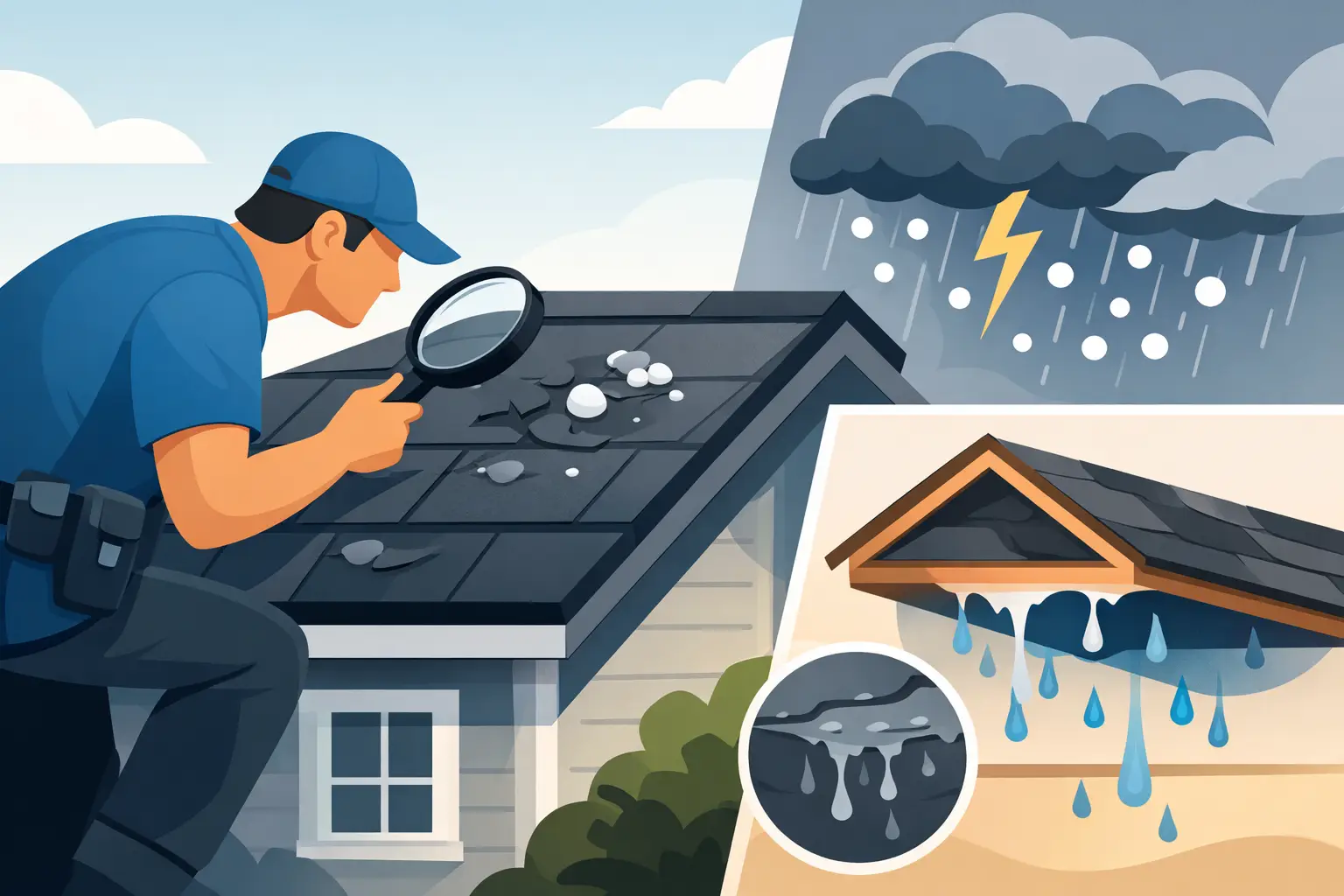
A hailstorm can leave a roof damaged even when there is no water dripping through the ceiling. That is what makes storm damage easy to miss and costly to delay. Knowing how to spot roof hail damage helps property owners identify concerns early, document the storm’s effects, and make sound repair decisions before small impact points turn into leaks, rot, or premature roof failure.

Across Nevada and Northern California, hail may arrive with high wind, heavy rain, intense sun exposure, or rapid temperature changes. Those conditions can compound roof damage. A prompt, careful inspection protects the building envelope and gives you a clearer picture of what needs attention.

Start Safely From the Ground

Do not climb onto a roof immediately after a storm. Wet surfaces, loose granules, hail debris, and wind damage create real fall hazards. Begin with a walk around the property from the ground, using binoculars if needed, and look for changes that were not present before the storm.

Check gutters, downspouts, roof valleys, vents, skylights, flashing, and the areas where roof planes meet. Hail often leaves the most visible clues on exposed metal components, even when the roof covering itself is harder to evaluate.

Look for dented gutters, downspouts, metal fascia, ridge vents, chimney caps, or flashing. These marks do not automatically mean the roof has functional damage, but they confirm that hail hit the property with enough force to warrant a closer inspection. Damage to window screens, siding, fences, air-conditioning equipment, and vehicles can provide useful context as well.

Take clear, date-stamped photos of all visible impacts. Photograph wide views that establish the location, then close-up images that show the detail. If possible, note the date and approximate duration of the storm, along with the size of any hail you observed.

How to Spot Roof Hail Damage by Roof Type

Hail does not affect every roofing system the same way. The roof’s age, material, slope, condition, and prior sun exposure all influence the result. A small hailstone may leave little more than cosmetic marks on one roof while causing meaningful damage to another that is older or already weathered.

Asphalt shingle roofs

On asphalt shingles, hail damage often appears as a dark, round, or irregular impact spot where protective granules have been knocked away. These spots can look like small bruises. The shingle may feel soft or slightly spongy at the impact point because the underlying asphalt has been fractured.

Granule loss is a concern because granules protect the asphalt layer from UV exposure. Once that protective surface is compromised, the shingle can age faster under intense sun and become more vulnerable to cracking. Look for excessive loose granules in gutters or at downspout exits, especially after a storm.

Not every missing granule is hail damage. Normal aging, foot traffic, manufacturing variation, and wind can also cause granule loss. The key distinction is a pattern of fresh, concentrated impact marks across multiple roof areas. A qualified roofer can determine whether the damage is consistent with hail rather than ordinary wear.

Metal roofs

Metal roofing is durable and can withstand demanding weather, but it is not immune to hail. Look for dents or dimples in standing seam panels, corrugated metal, metal shingles, ridge caps, and flashing. Bright sunlight at an angle may make shallow dents easier to see.

Some hail dents are primarily cosmetic and may not affect the roof’s ability to shed water. Others can be more serious, particularly if impacts damage seams, fasteners, protective coatings, penetrations, or flashing details. A dent near a panel seam or around a vent is more concerning than a shallow mark in the middle of an otherwise intact panel.

If the coating has cracked or been removed, the exposed area can be more susceptible to corrosion over time. That matters in high-elevation areas and locations where snow, moisture, and freeze-thaw cycles place additional stress on the system.

Flat and low-slope commercial roofs

Flat and low-slope roofs require a different inspection approach. On single-ply membrane, modified bitumen, built-up roofing, or coated roof systems, hail can create punctures, splits, cracks, fractured seams, or depressions that hold water.

From a safe access point, look for new ponding water, loose edge metal, displaced gravel, torn membrane, damaged drain components, or impact marks around rooftop equipment. Examine the area around HVAC curbs, pipes, skylights, and drains closely. These details are common leak points after storms because they rely on flashing and sealant transitions to remain watertight.

A roof coating can help extend service life and improve UV resistance, but it should still be checked after a significant hail event. Impact damage may be subtle at first, and a small break in the coating can allow moisture to reach the underlying roof assembly.

Check the Interior for Early Warning Signs

Roof hail damage is not always visible from outside, especially on large commercial properties or steep residential roofs. Inside the building, inspect the attic, upper-floor ceilings, walls near rooflines, and mechanical rooms after the storm.

Watch for fresh water stains, damp insulation, musty odors, bubbling paint, peeling finishes, or moisture around skylights and vents. On a commercial building, check for active drips above offices, inventory, electrical areas, and equipment rooms. Even a minor leak deserves attention because trapped moisture can damage insulation, decking, framing, and interior finishes long before it becomes a major visible problem.

Keep in mind that the absence of an interior leak does not prove the roof is undamaged. Hail impacts can weaken materials without creating an immediate opening for water. The next heavy rain, snowmelt event, or freeze-thaw cycle may reveal the problem.

Separate Hail Damage From Normal Roof Wear

A roof near the end of its service life may already have curling shingles, brittle sealant, faded coatings, open seams, or general granule loss. Those are maintenance concerns, but they are not necessarily storm-related. Hail damage tends to have a more random, impact-driven pattern, often accompanied by similar marks on nearby metal and exterior surfaces.

Wind damage can also occur during the same storm. Lifted shingle tabs, missing shingles, displaced flashing, and loose edge metal point more directly to wind. Heavy rain may expose drainage problems or existing weak points. A proper inspection should account for all of these conditions rather than treating every post-storm issue as hail damage.

This distinction matters for repair planning and insurance documentation. It also prevents property owners from paying for work that does not address the actual source of the problem.

What to Do After You Find Possible Damage

If you see signs of impact, avoid temporary fixes that could worsen the issue. Do not pressure wash the roof, scrape off loose material, apply sealant over questionable areas, or walk across brittle shingles or wet membranes. These actions can remove evidence, create new damage, and complicate an insurance claim.

Instead, protect the property from active water intrusion where it is safe to do so, such as moving contents away from a leak or placing a container below a drip. Then arrange a professional roof inspection. An experienced contractor can inspect the covering, flashings, penetrations, drainage components, attic or deck condition, and related exterior elements to determine whether repair, restoration, or replacement is the right solution.

For insurance purposes, keep storm photos, inspection findings, receipts for emergency mitigation, and records of any communication related to the event. File claims promptly when applicable, but do not assume an adjuster’s initial visit is the final word on roof condition. A detailed contractor assessment can help identify damage that is difficult to see from the ground or that requires roofing-specific expertise.

When a Professional Inspection Is Worth It

A professional inspection is strongly recommended after large hail, especially if you see exterior dents, missing shingle granules, damaged vents, active leaks, or impact marks on a metal or low-slope roof. It is also a smart investment for older roofs, properties with skylights, and commercial facilities where a small roof failure can interrupt operations or damage valuable assets.

Mountain Valley Roofing evaluates residential and commercial roofing systems with the region’s sun, snow, wind, and temperature swings in mind. The goal is not to recommend more work than necessary. It is to identify the condition of the roof, stop water intrusion, and provide a durable path forward that protects the property and controls long-term costs.

A roof does not need to be leaking to need attention. After hail, a timely inspection gives you the information needed to protect the system while repairs are still manageable.

How to Prevent Roof Leaks Before They Spread

How to Prevent Roof Leaks Before They Spread

A roof leak rarely begins as a visible stain on the ceiling. It often starts with a cracked pipe boot, lifted flashing, clogged drain, worn seam, or small opening created by wind and sun. Knowing how to prevent roof leaks means finding and correcting those weak points before water reaches insulation, framing, electrical systems, inventory, or finished interior spaces.

For homes and commercial properties in Nevada and Northern California, prevention is especially valuable. Intense UV exposure, high winds, snow loads, freeze-thaw cycles, and sudden storms all put pressure on roofing materials and the details that keep water out. A dependable roof is not just about the field of shingles or membrane. It is about drainage, penetrations, edges, flashings, and ongoing care.

How to Prevent Roof Leaks With Routine Inspections

The most cost-effective roof repair is the one handled while it is still small. A professional inspection should be scheduled at least once a year and after major wind, hail, or snow events. Commercial roofs, older roofs, and properties surrounded by trees may need inspections twice a year.

An inspection looks beyond obvious holes. A qualified roofer checks for loose or missing shingles, deteriorated sealant, open membrane seams, punctures, cracked flashing, damaged vents, soft spots, standing water, and signs that prior repairs are failing. On low-slope commercial roofs, even a small seam separation or blocked drain can allow water to travel beneath the membrane before it becomes visible indoors.

Property owners can also perform simple ground-level checks between professional visits. Look for displaced roofing material, sagging gutters, granules collecting near downspouts, loose metal trim, or debris building up in roof valleys. From inside the building, watch for discoloration, peeling paint, musty odors, or changes around skylights and ceiling fixtures. These signs do not always reveal the exact source, but they are a reason to schedule an inspection promptly.

Avoid walking on a roof unless you have the training and safety equipment to do so. Foot traffic can damage shingles and single-ply membranes, and it can turn a minor maintenance concern into a fall hazard.

Keep Water Moving Off the Roof

Water should leave the roof quickly and in a controlled direction. When it cannot, it finds opportunities to work under roofing materials, around fasteners, and through vulnerable transitions.

For steep-slope residential roofs, that means keeping gutters, downspouts, and valleys clear of leaves, pine needles, and windblown debris. A gutter packed with debris can force water behind the gutter or under the roof edge, where it may rot fascia boards and roof decking. Downspouts should discharge away from the foundation, and damaged gutter hangers should be repaired before the system pulls away from the roofline.

For flat and low-slope roofs, drainage deserves even closer attention. Roof drains, scuppers, overflow drains, and gutters must remain open and properly sized for the building. Ponding water accelerates material deterioration, adds weight to the structure, and exposes any small weakness in the roof system. If water remains on a roof more than 48 hours after dry weather returns, the roof may need drainage improvements or a more comprehensive restoration plan.

Snow and ice require a measured approach. Heavy snow accumulation can block drains and place unnecessary stress on the roof. Ice dams at eaves can force meltwater beneath shingles. Proper attic insulation and ventilation help control uneven heat loss, while heat tape may be appropriate in specific problem areas when professionally installed. Snow removal should be handled carefully to avoid cutting or puncturing the roof surface.

Protect Flashing, Penetrations, and Roof Edges

Most leaks occur at details, not in the middle of an otherwise sound roof. Flashing is the metal or membrane material used to direct water away from vulnerable joints. It is installed around chimneys, walls, skylights, valleys, vents, curbs, and other roof penetrations.

Over time, flashing can loosen, corrode, crack, or separate from adjacent materials. Sealants can dry out under strong sun exposure. Pipe boots can split. A new satellite dish, HVAC line, solar installation, or vent can create a penetration that was never properly waterproofed. These are common sources of preventable leaks.

Have roof penetrations checked whenever another contractor performs work on the roof. A quality installation should include proper flashing and compatible materials, not a quick layer of caulk. Sealant has a role in roofing, but it is not a permanent substitute for correctly designed flashing.

Skylights deserve the same attention. A skylight can provide valuable natural light, but its curb, flashing, and surrounding roof materials must remain watertight. If you see staining near a skylight, do not assume the unit itself has failed. The source may be the flashing, roofing field, condensation, or an issue higher on the roof where water is traveling before it appears indoors.

Address Small Damage Before Weather Makes It Worse

A missing shingle or loose membrane edge may not seem urgent during clear weather. Once wind-driven rain arrives, that small opening can allow water into the roofing assembly. Moisture trapped below the surface can spread far beyond the original entry point, increasing the cost and complexity of repairs.

Prompt repair matters after storms, but also after routine wear is discovered. Residential roofs may need individual shingle replacement, flashing repair, or localized decking repairs. Commercial roofs may need seam repair, patching, drain work, or replacement of damaged edge metal. The right repair depends on the roof system, its age, the extent of moisture intrusion, and whether the surrounding material remains in serviceable condition.

There is a trade-off between repeated spot repairs and a longer-term solution. If a roof has isolated damage and substantial remaining life, targeted repairs are often the practical choice. If leaks recur across a large area, seams are deteriorating, or the roof is approaching the end of its service life, restoration or replacement can provide better value and stronger protection.

Choose Materials That Match the Local Climate

No roof material performs the same way in every environment. Nevada and Northern California properties face strong sun, wind exposure, temperature swings, snow in higher elevations, and occasional severe storms. The roof system should be selected for those conditions, not just for its initial price.

For residential properties, properly installed asphalt shingles, metal roofing, and other systems can provide durable protection when matched to the roof slope and weather exposure. Metal roofing may offer excellent longevity and wind resistance, while shingles can be a cost-effective option with many style choices. Installation quality, attic ventilation, underlayment, and flashing are just as important as the material itself.

For commercial properties, single-ply membranes, modified bitumen systems, and roof coatings can provide dependable waterproofing when they are correctly specified and maintained. A reflective cool roof coating may reduce heat absorption and extend the life of a suitable existing roof, but coatings are not appropriate for every roof. The substrate must be dry, stable, and repairable before restoration begins. Applying a coating over trapped moisture or failing materials only delays a larger problem.

Maintain the Building Envelope, Not Just the Roof

Roof leak prevention extends to the components around the roof. Damaged fascia, dry rot, deteriorated siding, failed caulking, and poorly maintained wall transitions can allow water into the building and make the source difficult to identify. In some cases, what appears to be a roof leak is actually water entering through a wall, window, chimney, or exterior joint.

Trees should also be managed. Overhanging branches can scrape roofing materials during wind events, drop debris into valleys and drains, and provide pathways for pests. Trim branches back with enough clearance to prevent ongoing contact, but use a qualified tree professional when limbs are large or near power lines.

For facility managers, a documented maintenance plan is one of the strongest defenses against unexpected leaks. Record inspection dates, repair locations, drainage concerns, roof access work, and storm observations. This history helps identify recurring issues, supports budget planning, and makes it easier to decide when repair, restoration, or replacement is the better investment.

Know When to Call a Roofing Professional

Call for professional help when you see interior staining, active dripping, loose roofing material, ponding water, damaged flashing, or a sudden increase in energy costs that may point to wet insulation. Do not wait for a small leak to become an emergency, especially before the next storm.

Mountain Valley Roofing helps property owners evaluate the full condition of their roof system, identify the source of water intrusion, and recommend practical repairs or longer-term solutions suited to the region’s weather. A clear assessment can prevent unnecessary work while ensuring real weaknesses are not overlooked.

The best time to protect a roof is when it is dry, accessible, and showing only minor wear. Schedule maintenance before the season changes, keep drainage paths clear, and treat every small warning sign as an opportunity to protect the building beneath it.