
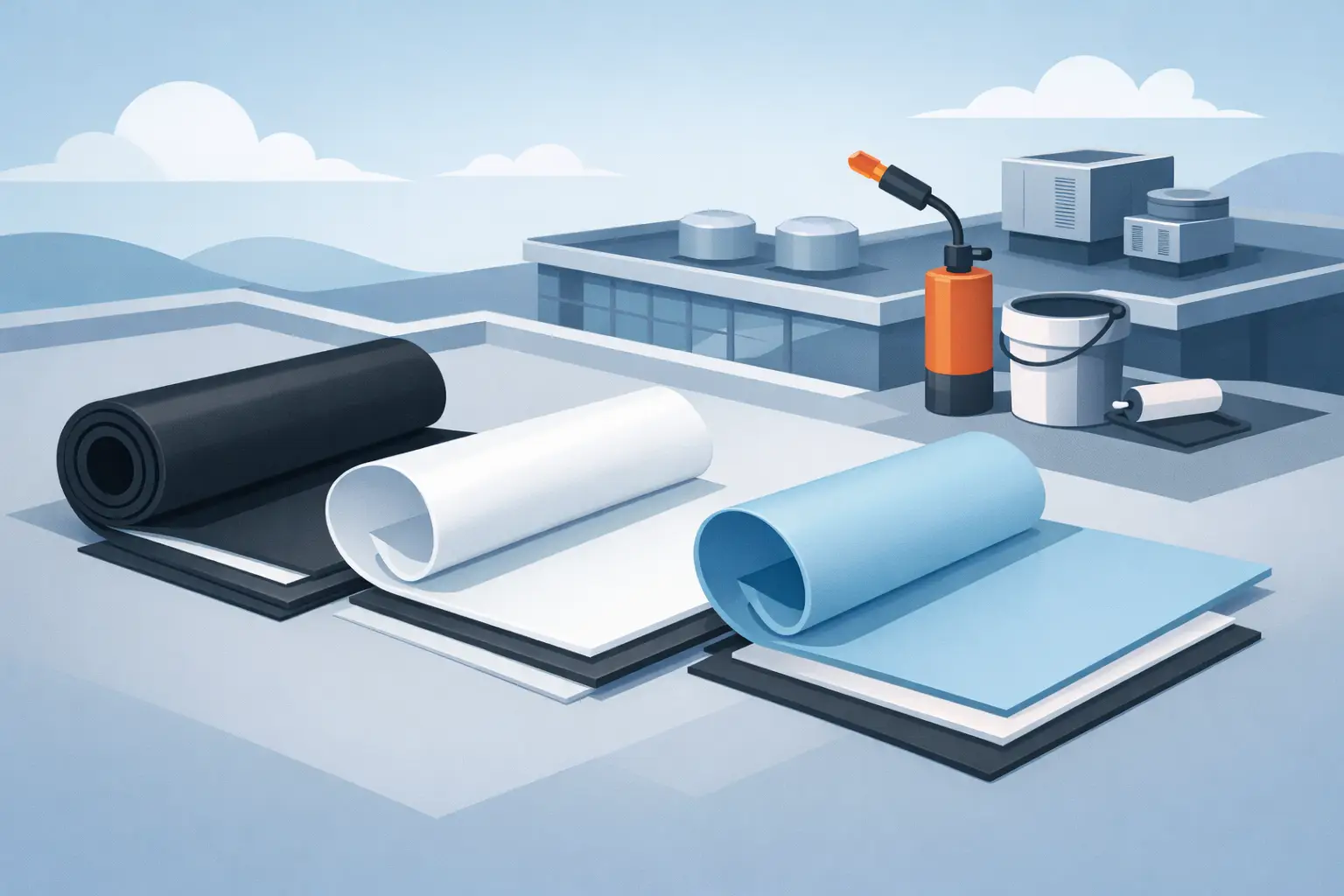
A low-slope roof can look simple from the ground, but the wrong membrane choice can lead to leaks, heat gain, seam failure, and expensive disruption long before the roof should be aging out. When property owners ask about single ply roofing membrane types, they are usually trying to answer a bigger question: which system will hold up best in real conditions, not just on a product sheet.
For commercial buildings and some residential low-slope applications, single-ply systems are popular because they are lightweight, efficient to install, and designed to provide reliable waterproofing across large roof areas. But not all membranes perform the same way. Climate, foot traffic, roof design, chemical exposure, energy goals, and budget all matter.
What single ply roofing membrane types include
Single-ply roofing membranes are factory-manufactured sheets that are installed in a single layer over insulation or a cover board. They are commonly used on flat and low-slope roofs because they provide a continuous waterproofing surface with fewer layers than built-up roofing systems.
The three main single ply roofing membrane types are TPO, PVC, and EPDM. Each has a different composition, installation method, and performance profile. That is why membrane selection should be based on the building and the environment, not just the lowest upfront number.
TPO roofing membranes
TPO, or thermoplastic polyolefin, is one of the most widely specified membranes for commercial roofing. It is known for heat-welded seams, reflective surface options, and strong overall value.
For buildings in hot, sunny climates, TPO often gets attention because white membranes can reflect sunlight and help reduce rooftop heat absorption. That can support lower cooling demand, especially on large buildings with minimal shade. TPO also offers good resistance to UV exposure and can be a practical fit for retail, warehouse, office, and multifamily properties.
That said, not every TPO product is equal. Formulation quality varies by manufacturer, and long-term performance often comes down to membrane thickness, installation quality, and how well the system matches the building. If a roof sees frequent service traffic or repeated mechanical work, protection paths or added reinforcement may be needed.
PVC roofing membranes
PVC, or polyvinyl chloride, is another thermoplastic membrane with heat-welded seams. It has a long track record and is often chosen for buildings that need strong chemical resistance, grease resistance, and dependable seam performance.
Restaurants, food-processing buildings, and facilities with rooftop exhaust that releases oils or chemicals often benefit from PVC because it stands up better in those conditions than some alternatives. PVC is also available in reflective colors, making it a strong option where energy efficiency and heat reduction matter.
The trade-off is usually cost. PVC often carries a higher upfront price than TPO or EPDM, but that added cost can make sense when the building use is hard on the roof. In the right setting, better resistance to contaminants and strong welded seams can improve long-term value.
EPDM roofing membranes
EPDM, or ethylene propylene diene monomer, is a synthetic rubber membrane that has been used on low-slope roofs for decades. It is commonly available in black, though lighter options exist, and it is known for flexibility and weather resistance.
EPDM performs well in a wide range of temperatures and can be a solid choice where seasonal movement is a concern. It handles thermal cycling well, which matters in regions that see intense sun during the day and colder overnight temperatures. It is also often cost-effective on larger roof areas.
One difference is that EPDM seams are typically adhered or taped rather than heat welded. Modern seam technologies have improved performance, but seam quality still depends heavily on workmanship and maintenance. Black EPDM can also absorb more heat than white reflective membranes, which may be less desirable on buildings where cooling costs are a major concern.
How single ply roofing membrane types compare in real-world use
Choosing between single ply roofing membrane types is rarely about finding one universal winner. It is about understanding which membrane is best suited for the building’s conditions and priorities.
If energy efficiency is high on the list, TPO and PVC often stand out because reflective surfaces can reduce heat gain. On commercial roofs in Nevada and Northern California, that can be a meaningful advantage during long periods of sun exposure.
If the roof is exposed to grease, chemical discharge, or demanding industrial conditions, PVC often deserves serious consideration. It typically outperforms other membranes in those environments.
If budget control and flexibility are the main concerns, EPDM can be a smart option, especially on wide open roof areas with limited chemical exposure and a maintenance plan in place.
Installation method also matters. Mechanically fastened systems can move projects along efficiently and may help control labor costs, while fully adhered assemblies can improve appearance and wind performance in some applications. The best choice depends on building height, deck type, local wind demands, and how the full assembly is engineered.
Climate matters more than most buyers expect
A membrane that performs well in one region may not be the best fit in another. Strong UV exposure, snow load, freeze-thaw cycles, and wind can all affect how a roof ages.
In high-sun climates, reflective thermoplastic membranes such as TPO and PVC can help limit surface temperatures and reduce stress on the assembly. On buildings with high air-conditioning demand, that can support better energy performance over time.
In areas with temperature swings, membrane flexibility and attachment design matter just as much as reflectivity. A roof needs to manage expansion, contraction, drainage, and service traffic without opening seams or stressing flashings.
This is where contractor guidance becomes important. A membrane should not be selected in isolation. Insulation levels, cover boards, drainage design, penetrations, edge securement, and maintenance access all affect how the system performs.
Cost, lifespan, and maintenance trade-offs
Upfront price matters, but it should not be the only number driving the decision. A lower-cost membrane can become the more expensive choice if it is not suited to the building or if frequent repairs interrupt operations.
TPO is often chosen as a balanced option because it can combine solid performance, reflective benefits, and competitive pricing. PVC usually costs more, but in harsh rooftop environments that extra investment may reduce future issues. EPDM can be economical and durable, but cooling performance and seam maintenance should be weighed carefully.
Maintenance expectations also differ. All roofing systems need inspections, especially after storms or heavy seasonal changes. Seams, flashings, drains, terminations, and rooftop equipment areas should be checked regularly. A good maintenance plan can add years to a membrane roof and catch small failures before they spread into insulation or interior damage.
When a roof replacement is not the only option
Not every aging membrane roof needs a full tear-off right away. In some cases, restoration or coating options can extend service life if the existing roof is still structurally sound and moisture conditions are under control.
That is why inspection comes first. Before choosing among single ply roofing membrane types for a replacement project, it makes sense to determine whether the current roof can be repaired, restored, or partially upgraded. A results-driven contractor will look at the whole roof condition, not just sell the largest project possible.
Mountain Valley Roofing approaches these projects with that long-view mindset, especially on properties where downtime, lifecycle cost, and weather exposure all need to be managed carefully.
Which membrane is best for your building?
For many office, retail, and general commercial properties, TPO is a strong all-around choice. For facilities dealing with grease or chemical exposure, PVC often offers better protection. For large low-slope roofs where flexibility and cost control are priorities, EPDM may be the right fit.
The best answer depends on how the roof is used, what the local climate demands, and how long you plan to hold the property. A membrane should match the building’s risk profile, not just its square footage.
If you are planning a replacement or evaluating an aging low-slope roof, the smartest next step is not guessing between product names. It is getting a roof assessment that looks at drainage, insulation, rooftop use, and long-term performance so the system you choose works as hard as the building underneath it.