A roof that is still structurally sound does not always need to be torn off and replaced. For many low-slope commercial roofs and certain residential applications, a properly selected coating can restore waterproofing, reflect heat, and add years of useful service life. This roof coating systems review looks at the options property owners see most often, where each system performs well, and where a coating is not the right answer.
What a Roof Coating System Actually Does
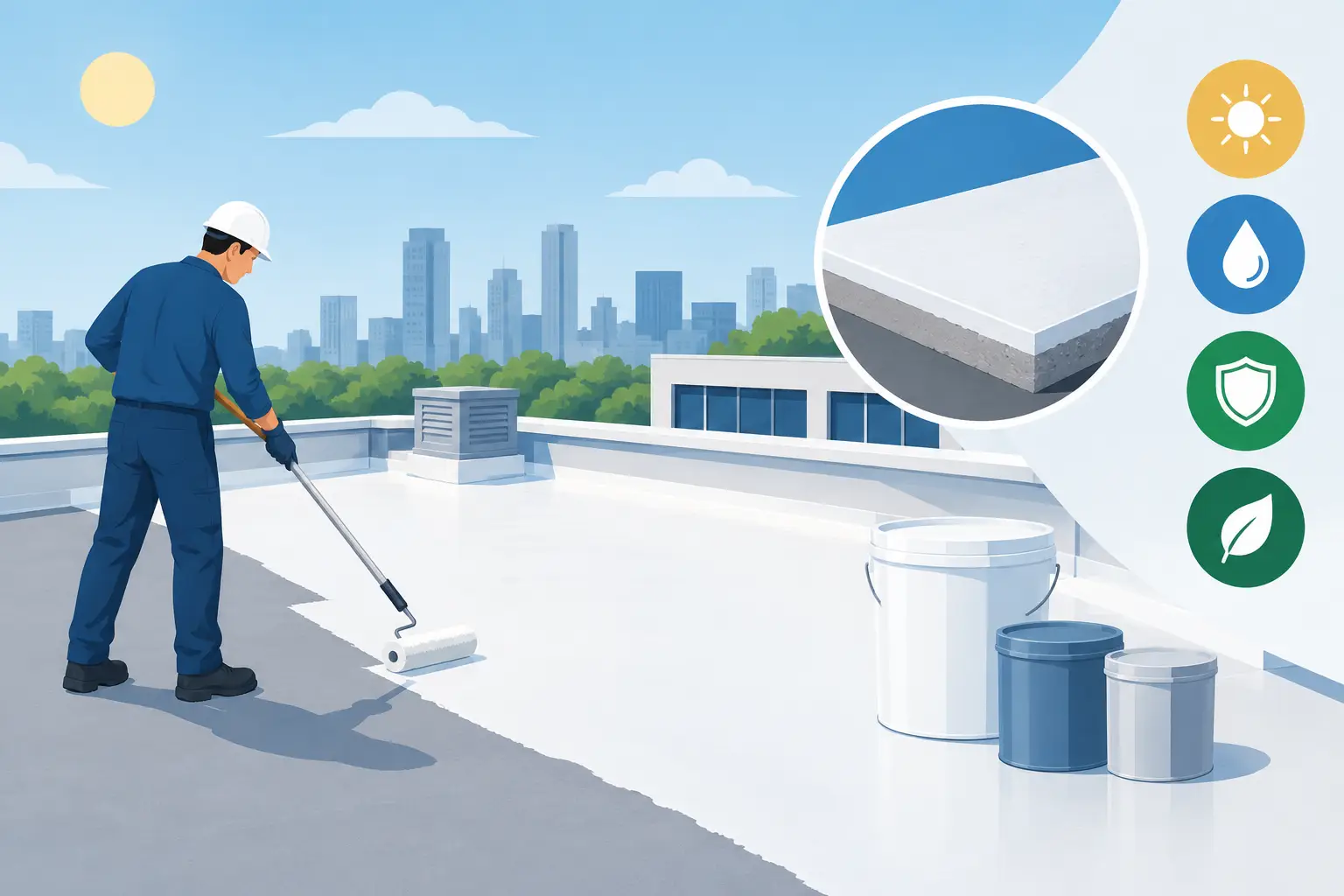
A roof coating is not simply paint applied to an aging roof. It is a liquid-applied membrane designed to cure into a continuous protective surface. When the existing roof is dry, stable, and correctly prepared, the coating seals small surface defects, protects the roof from ultraviolet exposure, and can reduce thermal stress caused by intense sun.
The value is straightforward: restoration generally costs less and causes less disruption than a full roof replacement. A bright, reflective coating may also help reduce roof-surface temperatures and lower cooling demand in hot weather. That matters across Nevada and Northern California, where strong sunlight, wind, snow, and major temperature swings can shorten the life of an unprotected roof.
Coatings are not a universal solution. They do not repair widespread saturated insulation, structural deck damage, failed flashings, or a roof with extensive deterioration below the surface. A professional inspection should come before any product recommendation. The condition of the existing roof matters more than the label on the coating pail.
Roof Coating Systems Review: The Main Options
The best coating depends on the roof substrate, drainage, traffic level, climate exposure, and budget. Acrylic, silicone, and polyurethane systems are common choices, but they solve different problems.
Acrylic coatings
Acrylic coating systems are water-based, highly reflective, and often cost-effective for roofs with positive drainage. They are widely used over metal, modified bitumen, and certain single-ply roofs when the surface has been properly cleaned, repaired, and primed as needed.
Their strongest advantage is reflectivity. A white acrylic coating can reduce heat absorption and protect the existing roof from UV damage. Acrylic is also relatively easy to maintain and recoat, which makes it a practical choice for owners focused on long-term upkeep rather than a one-time fix.
The trade-off is ponding water. Acrylic coatings can perform well in dry climates, but standing water may reduce their service life. On a roof with persistent low areas or slow drainage, correcting drainage issues or choosing another coating chemistry may be the wiser investment. Application conditions also matter because acrylic products need appropriate temperatures and dry weather to cure correctly.
Silicone coatings
Silicone is often the leading choice for low-slope roofs where ponding water is difficult to eliminate. It provides strong moisture resistance, remains flexible through temperature changes, and holds up well under ultraviolet exposure. For commercial properties with complicated roof layouts, drains, penetrations, and occasional standing water, silicone can offer dependable protection.
Silicone coatings adhere to many existing roof types when the surface preparation and primer are correct. They are especially useful for extending the life of an aging single-ply membrane, modified bitumen roof, or built-up roof that remains dry and serviceable beneath the surface.
Cost is the primary consideration. Silicone often has a higher initial price than acrylic. It can also attract dirt over time, which may reduce its reflectivity. That does not mean the system has failed, but owners who prioritize the brightest possible roof surface should understand that routine cleaning and maintenance may be part of the plan.
Polyurethane coatings
Polyurethane coatings are known for durability, strong adhesion, and resistance to impact and foot traffic. They are frequently specified for roofs that see regular maintenance activity, mechanical-service access, or exposure to conditions that can scuff and damage a softer coating.
A polyurethane system is commonly installed in layers. A base coat provides adhesion and strength, while a top coat supplies weathering and UV resistance. This approach can create a tough, long-lasting membrane, particularly over roofs where resilience is more important than achieving the lowest installed cost.
These systems require skilled installation. Surface preparation, moisture testing, primer selection, and proper coating thickness all affect performance. Polyurethane can be an excellent solution, but it is not a product to apply over an unknown roof condition or rushed repair work.
Asphalt and aluminum coatings
Asphalt-based and aluminum coatings are still used in certain restoration and maintenance situations. Aluminum coatings can reflect sunlight and help protect asphaltic roofs from UV exposure. Asphalt products may be used for compatible repairs or roof maintenance work.
However, these products do not provide the same combination of reflectivity, elasticity, and long-term restoration potential as modern acrylic, silicone, or polyurethane systems. They can be appropriate for a specific roof and budget, but they should be evaluated as part of the entire roofing system, not selected solely because the material cost is lower.
The Installation Details That Decide Performance
Even the best coating will fail early if it is applied to a wet, dirty, or poorly repaired roof. A reliable coating project begins with inspection and moisture evaluation. The contractor should identify leaks, soft areas, open seams, deteriorated flashing, damaged drains, and sections that cannot support restoration.
Preparation usually includes cleaning the roof, removing loose material, completing repairs, treating seams and penetrations, and applying primer where required. The coating must then be installed at the specified coverage rate. A coating that looks white and uniform may still be too thin to perform as intended.
Drainage deserves special attention. Coatings can waterproof a roof surface, but they cannot correct a roof that consistently holds large areas of water. Improving drains, adding tapered insulation where appropriate, or addressing settled sections may protect the coating investment and reduce leak risk.
Property owners should also ask how the contractor will verify thickness and document the work. Clear project records, material specifications, repair photos, and maintenance recommendations make it easier to manage the roof throughout its remaining service life.
When a Coating Is a Smart Financial Decision
A roof coating is most valuable when the existing system is approaching the end of its service life but still has a stable, dry foundation. In that situation, restoration can delay a costly tear-off, reduce landfill waste, and minimize disruption to occupants or business operations.
For commercial property managers, the decision often comes down to lifecycle cost. A lower-cost coating that needs earlier repair may not be the best value. A more durable system with the right preparation and warranty may offer lower ownership costs over time, especially on a large building where a replacement would disrupt operations.
For homeowners, coating can be useful on qualifying metal roofs, low-slope additions, patios, and other compatible roof areas. Steep-slope shingle roofs generally require a different approach. A coating should never be used to hide worn-out shingles, active leaks, or storm damage that calls for repair or replacement.
Questions to Ask Before Choosing a System
Before approving a coating project, confirm what roof material is currently installed, whether moisture is present below the membrane, and how drainage will be handled. Ask which coating is recommended and why it fits the property rather than accepting a one-size-fits-all answer.
Also discuss the expected maintenance plan. Roofs should be inspected regularly, especially after heavy wind, snow, or storms. Keeping drains clear, addressing punctures quickly, and resealing penetrations when needed can make a major difference in how long a restored roof performs.
A coating system is a practical way to protect a serviceable roof, but only when the system matches the roof’s condition and exposure. Mountain Valley Roofing evaluates the whole assembly first, then recommends a restoration or replacement path built for long-term weather resistance and dependable value.