
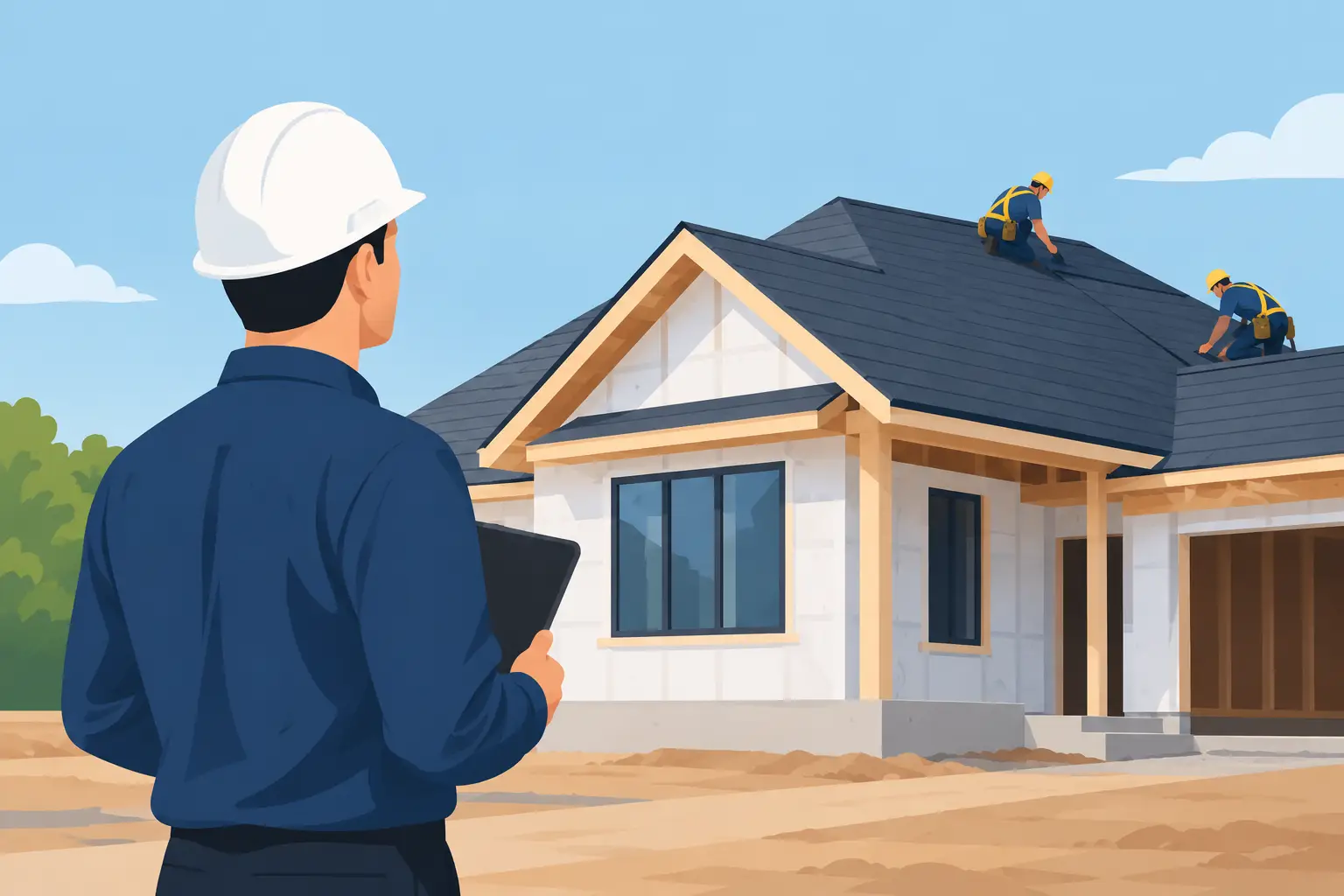
A new roof is one of the first major protective systems a building receives, and mistakes made before the doors open can remain hidden for years. The right new construction roofing contractor does more than install material on a deck. They coordinate with the build schedule, understand the building’s exposure, and deliver a system designed to handle sun, wind, snow, rain, and temperature swings from day one.
For homeowners, developers, general contractors, and facility operators in Nevada and Northern California, roofing decisions should be made early. A lower initial price may look attractive on a bid sheet, but a poorly matched system can lead to higher energy costs, premature repairs, moisture intrusion, and disruption after occupancy. Long-term value starts with sound design, quality installation, and a contractor who understands the region.
What a New Construction Roofing Contractor Should Handle
New construction roofing is not simply a replacement project without the tear-off. The roof assembly has to work with framing, drainage, insulation, wall details, mechanical penetrations, skylights, and the overall building envelope. Coordination matters because small gaps between trades can become major leak paths later.
A qualified contractor reviews plans before installation begins and identifies practical issues that may affect performance. That includes roof slope, drainage routes, parapet walls, transitions between roof areas, equipment curbs, flashing details, and access needs for future maintenance. On commercial properties, the contractor should also account for rooftop HVAC equipment, foot traffic, and the possibility of future expansions.
The installation itself requires disciplined sequencing. Underlayment, insulation, membrane or shingle application, flashings, vents, edge metal, and penetrations all need to be completed in the correct order. If another trade cuts into a finished roof or leaves an improperly sealed penetration, the roofing contractor should be involved before the problem is covered up or becomes a warranty issue.
Choose the Roof System for the Building, Not the Bid
The best roofing system depends on the structure, local weather, budget, expected service life, and how the property will be used. There is no single material that is right for every project.
For many homes, architectural shingles offer dependable protection, broad color options, and a familiar appearance. They can be a cost-effective choice when installed with proper ventilation and high-quality flashing. In high-wind or high-sun locations, material selection and installation details become especially important.
Metal roofing is often a strong option for homes, agricultural buildings, and certain commercial properties. It provides excellent durability, sheds snow effectively, and can reflect a significant amount of solar heat when paired with an appropriate finish. Its higher upfront cost may be justified when the owner plans to hold the property for many years and wants a long-lasting, low-maintenance system.
Low-slope commercial roofs require a different approach. Single-ply membrane systems, modified bitumen or torch down roofing, and commercial coatings each serve specific conditions. A membrane roof can provide reliable waterproofing across large areas, while a coating may be an effective solution for a properly prepared roof that does not yet require replacement. The right answer depends on the existing design, drainage, substrate condition, and warranty requirements.
Cool roof options deserve careful consideration in areas with intense summer sun. Reflective systems can reduce heat absorption and help control cooling demands, particularly on large commercial buildings. They are not a substitute for proper insulation, drainage, or installation quality, but they can improve energy performance when the full assembly is designed correctly.
Design Details That Protect the Investment
Most premature roof failures begin at details, not in the middle of the field of roofing material. Water finds seams, edges, penetrations, and changes in elevation. A contractor’s workmanship at these locations has a direct effect on the roof’s service life.
Drainage is a prime example. Standing water can accelerate wear on low-slope roofing, add unnecessary load, and expose weak points in the membrane. Proper slope, drains, scuppers, gutters, and downspouts must move water away from the roof and building perimeter. On residential projects, valleys, eaves, and roof-to-wall intersections need the same level of attention.
Flashing also deserves more than a quick visual check. Chimneys, skylights, pipes, vents, curbs, parapets, and adjoining walls all require properly integrated flashing. In mountain and high-desert climates, freeze-thaw cycles can make weak details fail faster. Heat tape, snow retention systems, snow fences, and ventilation may also be appropriate depending on elevation, roof geometry, and winter exposure.
A dependable contractor discusses these conditions before work begins. That conversation is more valuable than selecting a material based only on appearance or a basic square-foot price.
Questions to Ask Before Awarding the Job
A roofing proposal should be clear enough to compare scope, not just cost. Ask what roofing system is being specified, what underlayment or insulation is included, how drainage and flashing will be handled, and what is excluded. If a contractor cannot explain why a system fits the building, that is a concern.
It is also reasonable to ask how the contractor will coordinate with the general contractor and other trades. Roofing installation often happens during a busy phase of construction, when mechanical crews, electricians, siding installers, and exterior finish crews may all be working nearby. Clear responsibility for penetrations, repairs, and final sealing prevents confusion.
For commercial projects, ask about manufacturer requirements, warranty options, safety practices, staging, and quality-control inspections. For residential work, ask about ventilation, ice and water protection where needed, attic conditions, and how landscaping or finished exterior surfaces will be protected during installation.
Price still matters, but it should be considered in context. A proposal that includes stronger edge metal, more complete flashing, better insulation, or a longer-lasting membrane may cost more initially while reducing ownership costs over time. The lowest bid is only a value when it provides the protection the building actually needs.
Plan for Maintenance Before the Roof Is Installed
Every roof benefits from regular inspection and maintenance, including a brand-new one. Construction debris, wind-blown material, clogged drains, foot traffic, and changes made by other trades can affect performance early in the roof’s life. Establishing a maintenance plan at turnover helps preserve the system and document its condition.
Commercial property managers should schedule routine inspections, especially before and after severe weather. Maintenance visits can identify open seams, damaged flashings, ponding water, drain blockages, and issues around rooftop equipment before they become interior leaks. Homeowners benefit from periodic inspections as well, particularly after storms, heavy snow, or high winds.
This is also why contractor selection should consider service after installation. A roofing company that can inspect, repair, restore, and maintain the roof provides continuity when the property needs attention later. Mountain Valley Roofing approaches new construction with that long-term responsibility in mind, helping property owners protect both the building and the investment behind it.
Build for the Weather the Property Will Actually Face
Nevada and Northern California properties can experience extreme heat, strong UV exposure, wind, snow, sudden storms, and wide temperature changes throughout the year. These conditions place real demands on roofing materials and installation details. A roof that performs well in a mild climate may require different specifications in a high-desert, mountain, or exposed location.
The most effective new construction roof is the one designed around the building, the site, and the owner’s long-term plans. Start the roofing conversation early, insist on clear scope and craftsmanship, and choose a contractor prepared to stand behind the work well after construction is complete.