A roof replacement is not a project to start when water is already staining the ceiling. The best outcomes begin months earlier, when you have time to inspect the roof, compare practical options, and schedule work around the weather. Knowing how to plan roof replacement gives you more control over cost, material selection, building operations, and the long-term protection of your property.
For homeowners, that may mean choosing a system that can handle high winds, intense summer sun, snow load, and rapid temperature changes. For facility managers and commercial property owners, it also means protecting tenants, equipment, inventory, and daily operations. A sound plan turns a major expense into a long-lasting investment.
Start With a Professional Roof Assessment
The first step is determining whether full replacement is actually the right answer. A roof with isolated leaks, minor flashing failures, or a failing seal around a penetration may be repairable. Many commercial low-slope roofs can also be restored with a coating system if the existing roof structure and membrane are in suitable condition.
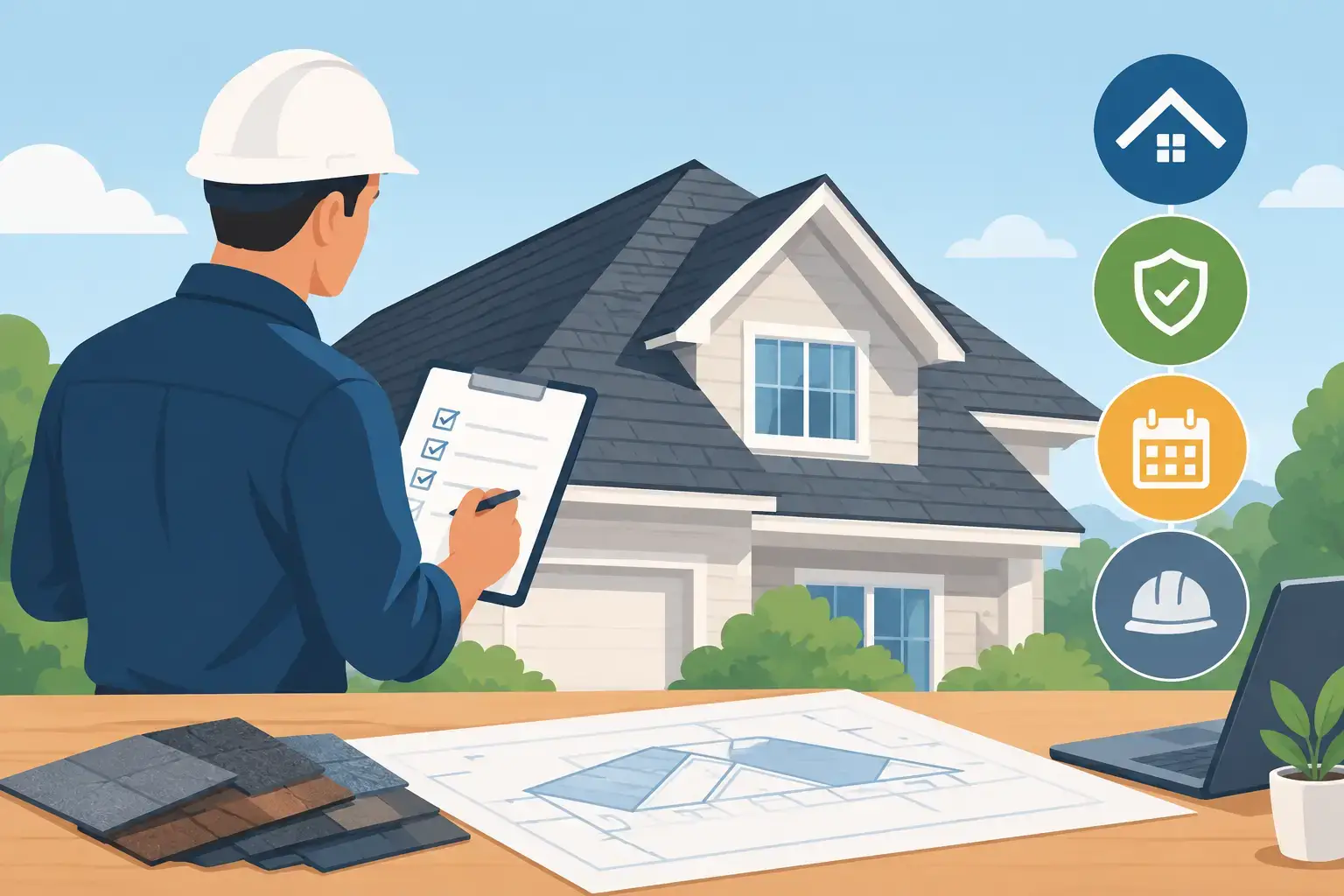
An experienced roofing inspection should look beyond the visible surface. The contractor should evaluate the roof covering, flashings, drains or gutters, ventilation, penetrations, deck condition, insulation, and any signs of trapped moisture or dry rot. On a commercial roof, they should also identify ponding water, membrane seams, rooftop equipment details, and traffic damage.
Ask for clear documentation of what the inspection found and why replacement is recommended. Pictures, measurements, and a written scope help you compare proposals on more than price. They also prevent a contractor from overlooking the details that often cause leaks after a new roof is installed.
Define Your Budget Before Choosing Materials
Roof replacement costs vary because roofs vary. Size matters, but so do slope, access, tear-off requirements, structural repairs, number of penetrations, material type, code requirements, and the complexity of flashings. A simple shingle roof and a steep, multi-level roof require very different labor and safety planning. The same is true for a small flat office roof versus a large industrial facility with multiple HVAC units.
Set a realistic target budget, then include a contingency for concealed conditions. Once old materials are removed, a contractor may find damaged decking, deteriorated fascia, wet insulation, or dry rot that could not be confirmed during an exterior inspection. Planning for this possibility helps avoid a difficult decision after work has begun.
The lowest estimate is not always the most cost-effective one. Compare the full scope of work, not just the final number. Confirm whether each proposal includes tear-off and disposal, underlayment or membrane components, flashing replacement, ventilation, permits, cleanup, and protection for landscaping or building entrances. For commercial projects, clarify whether the price includes staging, safety measures, after-hours work, and temporary weather protection.
A replacement can also be a good time to consider insulation upgrades, skylight replacement, heat tape, or repairs to carpentry and roof-edge components. Bundling necessary work while the roof is open can reduce future disruption and protect the value of the new system.
Choose a Roof System for Your Climate and Building
The right material depends on your property, local conditions, budget, and performance goals. Nevada and Northern California roofs can face severe UV exposure, wind, snow, freezing temperatures, and sharp day-to-night swings. A system that performs well in a mild climate may not be the best long-term choice here.
For many homes, architectural shingles offer dependable performance and a familiar appearance at a practical price point. Metal roofing can provide excellent longevity, wind resistance, and snow-shedding performance, though its higher initial cost is not right for every project. Proper underlayment, flashing, ventilation, and installation details matter as much as the visible material.
Commercial and low-slope properties need a system selected for drainage, foot traffic, exposure, and building use. Single-ply membranes, modified bitumen or torch-down systems, and commercial coatings each have a place. A reflective cool roof may help reduce heat absorption and cooling demands, while a restoration coating may extend service life without the cost and waste of a full tear-off when conditions allow.
Do not choose solely by warranty length. A long warranty is valuable only when the roof assembly is correctly designed, installed according to manufacturer requirements, and maintained over time. Ask how the proposed system addresses your specific risks, including snow accumulation, wind uplift, UV exposure, and drainage.
How to Plan Roof Replacement Around Weather and Operations
Timing has a direct effect on safety, scheduling, and property disruption. Roofing contractors can work in many seasons, but rain, high winds, extreme heat, and freezing conditions may affect installation windows. Plan early if you want the greatest flexibility, especially before busy summer and fall schedules.
For homeowners, consider how the project will affect parking, pets, children, and outdoor spaces. Roofing is noisy, and crews need access to the driveway, roof edges, and areas around the home. Move vehicles away from the work zone, protect fragile landscaping, and remove wall decor if vibration is a concern.
Commercial planning requires more coordination. Identify the building entrances, tenant areas, loading zones, rooftop units, and sensitive operations that need protection. Schools, medical facilities, retail locations, and warehouses may need phased work, weekend scheduling, or temporary access plans. A qualified contractor should discuss these details before the project starts, not after materials arrive.
Keep an eye on forecast changes, but do not assume weather delays signal poor planning. A responsible contractor will pause work when conditions could compromise safety or waterproofing. The priority is a dry, properly installed roof, not rushing to meet an arbitrary date.
Vet the Contractor and Review the Scope Carefully
A roof is only as dependable as the installation behind it. Look for a contractor with appropriate licensing, insurance, local experience, and a documented history of completing similar projects. Request proof of general liability and workers’ compensation coverage, particularly for larger commercial projects or steep residential roofs.
Before signing, review the written proposal line by line. It should identify the material system, manufacturer, colors or finish where applicable, tear-off limits, deck repair pricing or process, flashing work, ventilation, disposal, estimated schedule, payment terms, and warranty information. If the project includes an insurance claim, confirm what documentation and communication support the contractor can provide.
You should also ask who will supervise the job, how change orders will be handled, and how the site will be cleaned each day. These practical details reveal whether the company has a process built around craftsmanship and accountability.
Prepare the Property for Installation Day
Once the contract and schedule are set, preparation protects the property and helps the crew work efficiently. Clear driveways and access routes, move patio furniture and grills away from the structure, and cover items in the attic that could collect dust. If you have solar equipment, satellite dishes, or unusual rooftop features, make sure they are addressed in the scope before work begins.
Inside the building, notify occupants about noise and access limitations. Facility managers should communicate the schedule to tenants, employees, vendors, and security staff. If rooftop equipment must remain operational, coordinate that requirement with the roofing contractor in advance.
After installation, walk the project with the contractor. Confirm that cleanup is complete, gutters and drains are clear, flashing details are finished, and any agreed repairs are documented. Keep copies of warranties, invoices, photos, and maintenance recommendations in your property records.
A new roof should not be treated as a set-it-and-forget-it purchase. Schedule periodic inspections, particularly after major wind, snow, or storm events. Mountain Valley Roofing helps property owners build replacement plans that account for regional weather, building needs, and the true lifecycle cost of the roof. With the right preparation, your replacement can provide dependable protection long after the crews leave.