A low-slope roof can look fine from the ground while seams, drains, and flashing details are already allowing water into the building. This EPDM roofing review looks at where this proven rubber membrane performs well, where it requires careful planning, and whether it makes sense for homes and commercial properties in Nevada and Northern California.
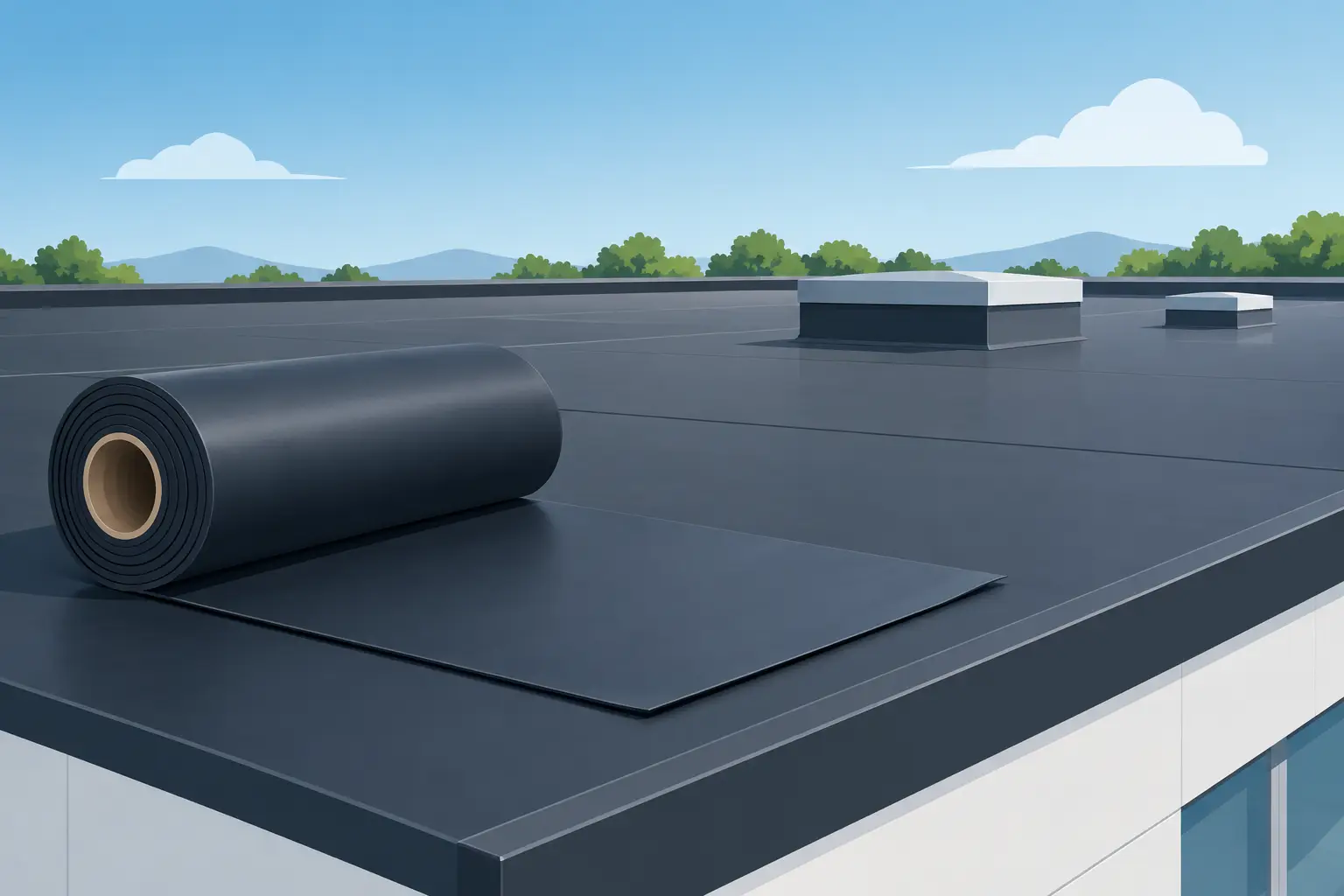
EPDM, short for ethylene propylene diene monomer, is a synthetic rubber roofing membrane used primarily on flat and low-slope roofs. It has been installed on commercial buildings for decades because it is flexible, durable, and relatively straightforward to repair when damage is addressed early. For the right building, it can provide dependable long-term weather protection without the premium cost of some other single-ply systems.
What an EPDM Roof Does Well
EPDM’s main strength is its ability to tolerate movement. Roof decks expand and contract through hot afternoons, cold nights, snow loads, and changing seasons. A rubber membrane can flex with that movement better than many rigid roofing materials, helping reduce stress at penetrations, transitions, and field seams.
That flexibility matters in mountain and high-desert conditions. Northern California and Nevada properties can see intense ultraviolet exposure, wind, freezing temperatures, and major temperature swings within a single day. Quality EPDM is designed to resist ozone, weathering, and UV degradation. When it is properly installed with sound flashing and drainage, it can remain serviceable for 20 to 30 years or longer.
EPDM is also a practical repair material. Small punctures, open seams, and localized flashing issues can often be repaired with compatible cleaning, primer, and patch materials. That does not mean every aging EPDM roof should be patched indefinitely. It does mean a maintenance-minded owner has options before committing to a full replacement.
For commercial operators, the membrane’s long track record is another advantage. EPDM is familiar to qualified roofing contractors, available in large sheets, and suited to many common low-slope roof configurations. Fewer seams generally mean fewer potential leak points, provided the seams and perimeter details are installed correctly.
EPDM Roofing Review: The Trade-Offs to Consider
No roofing system is right for every roof. The most common EPDM membrane is black, which absorbs more heat than a white reflective membrane. In a hot, sunny climate, that can raise roof-surface temperatures and place more demand on the building’s cooling system. Insulation levels, building use, roof ventilation, and local energy requirements all affect the real-world impact, but color should be part of the decision.
A reflective coating may be an option on some existing EPDM roofs, particularly when the membrane remains dry, stable, and well attached. Coatings can improve reflectivity and extend service life, but they are not a fix for trapped moisture, failed seams, widespread deterioration, or drainage problems. A professional inspection should determine whether restoration is appropriate or whether replacement is the more cost-effective path.
EPDM can also be vulnerable to sharp objects and repeated traffic. Service technicians, rooftop equipment work, windblown debris, and dropped tools can puncture a membrane. Walk pads around HVAC equipment and designated service paths help protect high-traffic areas. Building owners should also control access to the roof rather than treating it as a general work surface.
The material itself is only one part of the system. Leaks frequently develop at drains, curbs, parapet walls, skylights, pipe penetrations, and edge metal – not in the open field of the membrane. A low initial price is not a value if installation shortcuts leave weak details around these critical areas.
How EPDM Is Installed
EPDM systems are commonly fully adhered, mechanically attached, or ballasted. A fully adhered system bonds the membrane to the prepared substrate and is often selected where wind resistance, appearance, or a smooth finished surface is a priority. Mechanically attached systems use fastening patterns at seams or designated attachment areas. Ballasted systems hold the membrane in place with stone or pavers, although structural capacity, drainage, and local wind conditions must be evaluated before this approach is used.
The best attachment method depends on the building, deck type, insulation assembly, exposure, roof geometry, and budget. For example, a building in a wind-prone area may need stronger perimeter and corner securement than a more protected site. A roof with extensive mechanical equipment may benefit from a layout that limits seams near service zones.
Preparation is equally important. Before a new membrane goes down, the contractor should evaluate the existing roof, moisture conditions, insulation, slope, drainage, and the integrity of the deck. Covering wet materials can trap moisture in the assembly and create expensive problems later. In some cases, a tear-off is the responsible choice. In others, a properly designed recover system can reduce disruption and disposal costs.
Cost, Lifespan, and Maintenance Value
EPDM often provides an attractive lifecycle value because the material has a long performance history and repair work is generally manageable. Installed cost varies widely based on roof size, accessibility, tear-off needs, insulation upgrades, attachment method, flashing complexity, and whether the project involves active commercial operations. Small roofs with many penetrations can cost more per square foot than a larger, open roof because the labor is concentrated in the details.
It is more useful to compare total ownership cost than to compare membrane prices alone. A lower-cost installation that lacks tapered insulation or adequate drainage may lead to recurring ponding water, premature deterioration, and interior damage. Conversely, a well-designed EPDM roof with scheduled inspections can avoid many emergency repairs and extend the useful life of the assembly.
Maintenance should include at least annual inspections and additional checks after severe wind, hail, heavy snow, or major storms. Drains and scuppers need to remain clear. Technicians should examine seams, flashing, edge metal, roof-mounted equipment, and any areas showing standing water. Interior ceiling stains, musty odors, or unexplained insulation damage should be investigated promptly, even if the membrane appears intact from above.
Is EPDM the Right Choice for Your Property?
EPDM is often a strong option for low-slope commercial roofs, multifamily buildings, garages, additions, and certain residential roof sections. It is especially worth considering when flexibility, repairability, and proven weather resistance are higher priorities than a bright white roof surface.
It may be less suitable when maximum solar reflectivity is the leading goal, when the roof will receive frequent uncontrolled foot traffic, or when a different membrane better matches the building’s code requirements and energy plan. TPO, PVC, metal, built-up roofing, and roof coatings each have legitimate uses. The right recommendation starts with the condition of the existing roof and the demands placed on the building, not with a one-size-fits-all product preference.
Mountain Valley Roofing approaches low-slope roofing as a complete system: membrane, insulation, drainage, flashing, edge details, and maintenance all have to work together. That approach helps property owners make practical decisions based on weather exposure, budget, building operations, and the years of service they expect from the roof.
Before choosing EPDM, have the roof evaluated by an experienced contractor who can identify hidden moisture, drainage limitations, and weak detail areas. A clear assessment now can prevent a repair decision from becoming an emergency replacement later.