
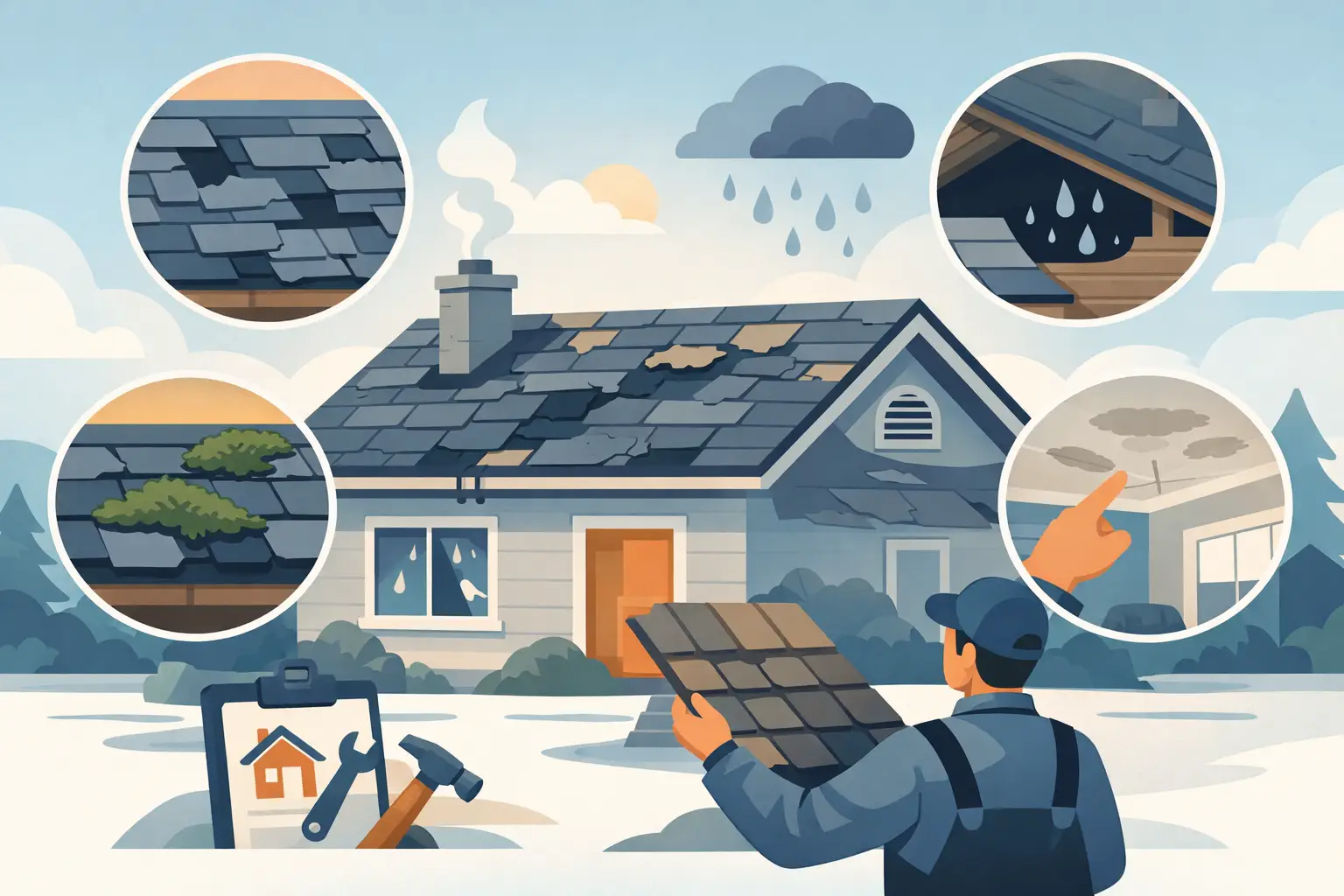
A roof usually does not fail all at once. It wears down in ways that are easy to miss at first, then suddenly turns into leaks, interior damage, higher energy bills, or emergency repairs at the worst possible time. If you are noticing signs you need roof replacement, the right move is not to wait for a major failure. It is to identify whether your roof can still be repaired cost-effectively or whether replacement is now the smarter long-term investment.
For homes and commercial buildings across Nevada and Northern California, that decision matters even more. High UV exposure, wind, snow load, freeze-thaw cycles, and temperature swings can shorten roof life and turn small problems into structural ones faster than many property owners expect.
The clearest signs you need roof replacement
Some roofing issues are isolated and repairable. Others point to system-wide wear. The difference comes down to how widespread the damage is, how old the roof is, and whether the materials are still performing the way they should.
1. Your roof is near or past its expected lifespan
Age by itself does not always mean replacement, but it is one of the strongest indicators. Asphalt shingle roofs often last around 20 to 30 years depending on installation quality, ventilation, and climate exposure. Flat and low-slope systems can vary widely based on material type, maintenance history, drainage, and coating protection.
If your roof is approaching the end of its service life and repairs are becoming more frequent, replacement is often more cost-effective than continuing to patch aging materials. An older roof may still look acceptable from the ground while the waterproofing layers underneath are already failing.
2. You have repeated leaks in different areas
A single leak does not always mean the whole roof is done. Multiple leaks, or leaks that keep returning after repairs, are different. That usually points to broader deterioration in the roofing system, flashing, underlayment, or seams.
For commercial properties, recurring leaks on a flat or low-slope roof often suggest membrane fatigue, ponding-related wear, or widespread seam failure. For homes, repeated leaks may indicate aging shingles, damaged valleys, failed flashing, or moisture intrusion around penetrations like skylights and vents.
3. Shingles are curling, cracking, or missing
On a shingle roof, visible material breakdown is one of the most obvious signs you need roof replacement. Curling edges, cracked tabs, bald spots where granules have worn away, and widespread missing shingles all reduce your roof’s ability to shed water and resist UV damage.
A few damaged shingles after a wind event can often be repaired. Large sections with visible wear usually mean the roof has moved beyond spot fixes. Once the shingle field is aging unevenly, repairs tend to become temporary rather than durable.
4. Granules are collecting in gutters and downspouts
Asphalt shingles lose granules over time, but heavy granule loss is a warning sign. Those granules protect the shingle surface from sunlight and weather exposure. When they wash into gutters in noticeable amounts, the shingles are wearing out and becoming more vulnerable to cracking, water intrusion, and heat damage.
In high-sun climates, this process can accelerate. If granule loss is widespread and paired with brittle or discolored shingles, replacement is often the safer choice.
Structural and moisture warning signs
Not every failing roof announces itself on the exterior. Some of the most serious problems show up inside the building first.
5. You see stains on ceilings or walls
Water stains, peeling paint, bubbling drywall, or damp spots in the attic are strong indicators that moisture is getting through the roofing system. The leak entry point is not always directly above the stain, which is why the visible interior damage can understate the size of the real problem.
If interior staining appears in multiple rooms or keeps returning, the roof should be evaluated for broader failure rather than treated as an isolated repair.
6. The roof deck is sagging or feels soft
A sagging roofline is a serious sign of trapped moisture, structural deterioration, or prolonged water intrusion. On residential roofs, soft decking beneath shingles can sometimes be noticed during inspection. On commercial roofs, areas of deflection may indicate saturated insulation or compromised substrate.
This is not a cosmetic issue. Once the underlying structure begins to weaken, delaying replacement can increase repair scope and cost.
7. Mold, mildew, or persistent moisture is showing up in the attic
Poor ventilation can contribute to attic moisture, but so can a compromised roof system. If mold growth, musty odors, or condensation are recurring problems, the roof may no longer be protecting the building envelope properly.
In mountain and high-desert climates, insulation and ventilation matter as much as the outer roofing material. A roof that traps heat in summer or moisture in winter can drive energy waste and create conditions for rot, mold, and premature system failure.
Performance issues that add up over time
A roof does more than keep rain out. It helps regulate temperature, protect insulation, and maintain the overall efficiency of the building.
8. Energy bills are climbing without another clear cause
If heating or cooling costs are increasing and your HVAC system is in good condition, your roof may be part of the problem. Aging roofing materials, poor ventilation, moisture-damaged insulation, and failing reflective surfaces can all reduce energy performance.
This matters for both homeowners and commercial property managers. A replacement may create an opportunity to install a more energy-efficient roofing system, such as improved attic ventilation, upgraded insulation, cool roof materials, or a modern low-slope membrane designed for UV resistance.
9. The roof has widespread storm, snow, or wind damage
After severe weather, roofing damage is not always limited to what is visible from the ground. Wind can break seals and lift shingles. Snow and ice can stress flashing, drainage areas, and vulnerable transitions. Hail can bruise shingles or damage membrane surfaces even when the impact marks are subtle.
If storm damage affects large sections of the roof, replacement may be more practical than piecemeal repairs. That is especially true when the roof was already aging before the event.
10. Repairs are becoming frequent and expensive
At a certain point, repair bills stop protecting your budget and start draining it. If you are calling for service every season, dealing with recurring leak points, or patching different sections year after year, it may be time to stop spending on short-term fixes.
A replacement typically costs more upfront, but it can reduce emergency repair costs, prevent interior damage, improve efficiency, and restore confidence that the roof will perform through the next weather cycle.
When repair still makes sense and when it does not
Not every damaged roof needs full replacement. A newer roof with isolated flashing damage, a small puncture, or a limited section of missing shingles can often be repaired successfully. The same is true for some commercial systems that are still structurally sound and good candidates for restoration or coating.
Replacement becomes the better path when damage is widespread, the roof is nearing end of life, leaks are recurring, or hidden moisture has compromised the deck or insulation. This is where a professional inspection matters. The goal is not to oversell replacement. The goal is to identify the most durable and cost-effective option for the actual condition of the roof.
Why climate matters in Nevada and Northern California
Roofing decisions are never one-size-fits-all. A roof in this region deals with intense sun, seasonal storms, wind exposure, snow in higher elevations, and major temperature swings between seasons and even within the same day. Those conditions wear roofing materials differently than milder climates do.
That is why a roof that might have a few years left elsewhere may already be at replacement stage here. It is also why material selection matters so much. The right replacement system should match the slope, building use, ventilation needs, and local weather exposure, not just the initial budget.
For property owners who want a practical answer, the best time to schedule an inspection is before a small issue becomes interior damage. Mountain Valley Roofing works with homeowners and commercial clients to determine whether repair, restoration, or replacement makes the most sense based on the roof’s actual condition and long-term performance goals.
If your roof is showing multiple warning signs, trust what the building is telling you. Acting early usually gives you more options, better planning, and a stronger roof when you need it most.